What You’ll Learn
In this guide, you’ll discover:
- What causes saddle sores
- Why bib-short and chamois fit matter
- How bike fit can contribute to irritation
- Why clean, dry cycling apparel is essential
- How to increase your riding time safely
- When discomfort may require a break or medical attention
_______________________________
Simple changes can make every mile more comfortable.
Saddle sores are an uncomfortable subject, but they are also a common problem for cyclists. They can affect beginners, experienced riders, commuters, and racers alike—particularly when mileage increases or something changes in a rider’s equipment, position, or routine.
The term “saddle sore” can describe several forms of irritation in an area that contacts the saddle. It may begin as tenderness, redness, or chafed skin. In other cases, it can appear as a painful bump caused by an irritated hair follicle.
Whatever form it takes, a saddle sore is not something you should simply accept as part of cycling. It is often a sign that pressure, friction, heat, moisture, or fit needs attention.
The good news is that many saddle sores can be avoided by wearing properly fitting cycling apparel, keeping your kit and skin clean, setting up your bike correctly, and giving your body enough time to adapt.
What Causes Saddle Sores?
Saddle sores generally develop through some combination of pressure, friction, heat, and moisture.
Cycling places repeated pressure on a relatively small area of the body. At the same time, your legs move thousands of times during a ride. If your body, clothing, or saddle moves in a way it should not, that repeated motion can irritate the skin.
Sweat and warm conditions can make the problem worse. Damp skin is more vulnerable to friction, while a warm and moist environment can contribute to irritation around the hair follicles.
Common contributing factors include:
- Bib shorts that are too loose, too tight, or incorrectly positioned
- A chamois that shifts or bunches during the ride
- Wearing underwear beneath cycling shorts
- An unsuitable saddle or incorrect saddle position
- Excessive movement on the saddle
- A sudden increase in mileage
- Remaining in damp cycling clothing after a ride
- Reusing cycling shorts without washing them
- Continuing to ride after irritation has developed
Preventing saddle sores starts with identifying which of these factors may be affecting you.
1. Wear Bib Shorts That Fit Correctly
Well-fitting bib shorts should remain securely in place as you pedal. The fabric should feel supportive without restricting your movement, and the chamois should sit closely against your body without shifting, folding, or bunching.
Bib shorts that are too loose can move independently of your skin, creating friction with every pedal stroke. A loose chamois may also slide away from the areas it was designed to protect.
Bibs that are excessively tight can create their own problems. Fabric or seams may dig into the skin, leg openings may become uncomfortable, and the chamois may be pulled out of its intended position.
When checking the fit of your bib shorts, look for:
- A chamois that remains centered and close to the body
- Smooth fabric without wrinkles or folds
- Leg openings that stay in place without digging in
- Shoulder straps that feel secure without pulling excessively
- Enough freedom to move naturally in a cycling position
Remember that bib shorts are designed to fit while you are leaning forward on the bike. They may feel more compressive or slightly unusual when you are standing upright.
2. Choose a Chamois Designed for Your Type of Riding
A chamois is more than a soft layer inside a pair of cycling shorts. Its shape, density, thickness, ventilation, and placement all influence how it manages pressure and movement.
More padding does not automatically mean more comfort. A chamois that is unnecessarily bulky can bunch or create pressure where it is not needed. What matters is having support positioned in the correct areas for your anatomy, riding position, and expected time in the saddle.
A short recreational ride and an ultra-distance event place very different demands on the body. That is why cycling pads are designed for particular uses, including road, gravel, mountain biking, triathlon, and long-distance riding.
Pactimo works with Elastic Interface® to incorporate anatomically shaped, activity-specific chamois into our cycling bibs and shorts. These pads use carefully positioned density zones and technical skin-contact fabrics to manage pressure, moisture, and comfort for their intended use.
Explore our guide to Pactimo cycling chamois to compare the options available for different riders and distances.
The right chamois is not necessarily the thickest—it is the one that places support where your body needs it.
3. Do Not Wear Underwear Beneath Cycling Shorts
Cycling shorts and bibs are designed to be worn directly against the skin.
Underwear introduces another layer that can move, wrinkle, retain moisture, and create friction. Seams may also sit directly over sensitive contact points and rub repeatedly as you pedal.
A correctly positioned chamois should move with your body. Placing underwear between the skin and the chamois prevents the system from working as intended.
Beginning cyclists sometimes find the idea unfamiliar, but skipping underwear is standard practice and one of the simplest ways to reduce unnecessary friction.
4. Start Every Ride With a Clean Kit
Cycling shorts should be washed after every ride. Even when a kit does not appear dirty, the chamois absorbs sweat and remains in close contact with the skin.
Starting a ride in previously worn bib shorts reintroduces moisture, oils, and bacteria to an area already exposed to pressure and friction.
Follow the garment instructions carefully and avoid products that can leave residue on technical fabrics. Pactimo recommends washing cycling apparel in cold water with a mild detergent and allowing it to air dry.
For complete instructions, see our cycling apparel washing and care guide.
If you ride frequently, owning more than one pair of bib shorts makes it easier to begin every ride with a completely clean and dry kit.
5. Change Out of Damp Clothing Promptly
When the ride ends, change out of your cycling clothes as soon as reasonably possible.
Sitting at a café, driving home, or completing errands in damp bib shorts keeps heat and moisture against the skin. That can prolong irritation and create conditions in which minor discomfort becomes a larger problem.
If you cannot shower immediately, remove your cycling kit, put on clean and dry clothing, and shower when you are able. This is especially important after hot, wet, muddy, or particularly long rides.
Clean skin and dry clothing are simple but effective parts of a good post-ride routine.
6. Check Your Saddle and Bike Fit
Persistent discomfort is not always a clothing problem.
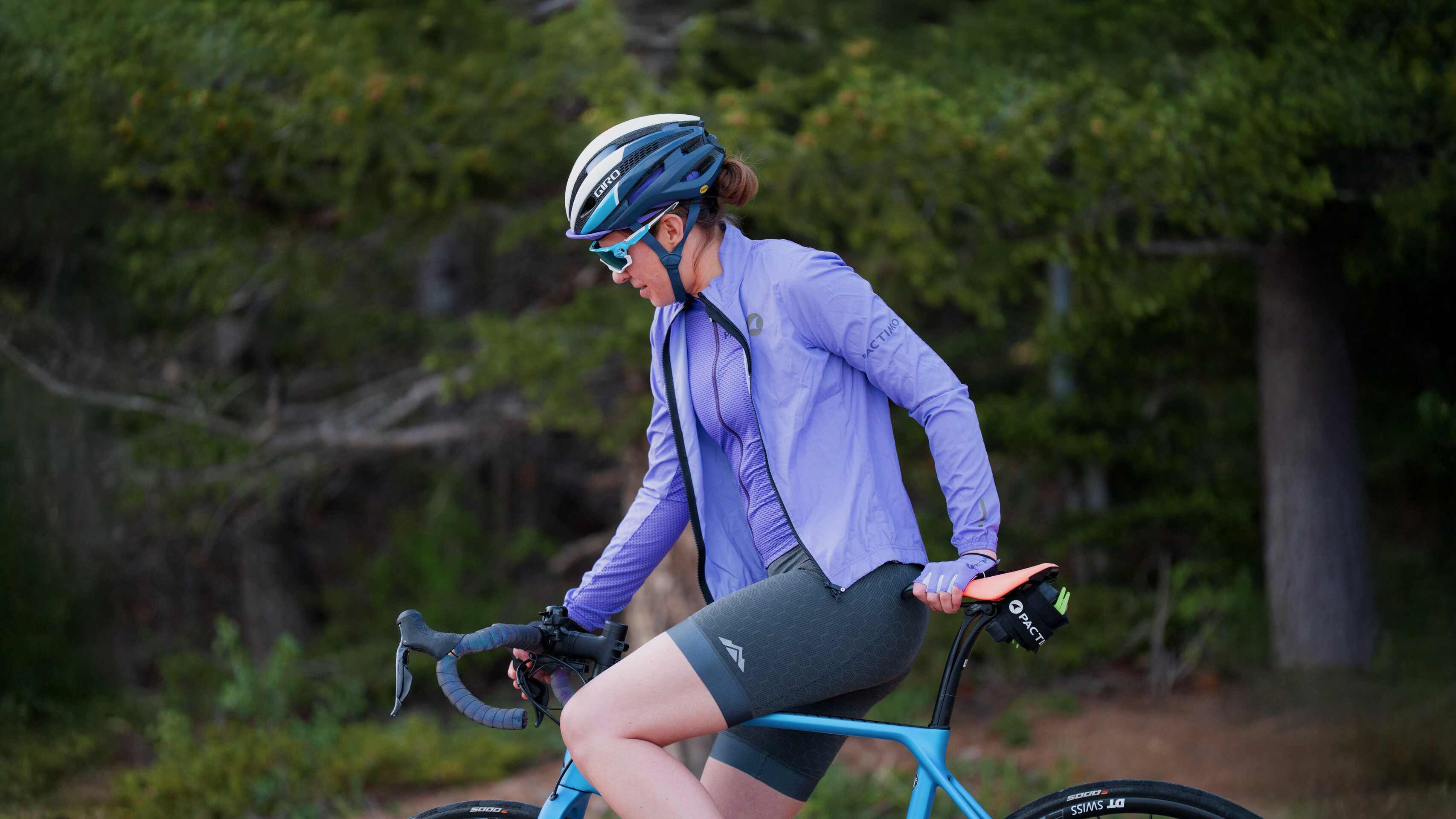
A saddle that is too high may cause your hips to rock from side to side as you reach the bottom of each pedal stroke. That movement can increase friction between your body, chamois, and saddle.
A saddle that is too low may change how your weight is distributed and increase pressure in other areas. Excessive tilt, an unsuitable saddle shape, or an incorrect fore-aft position can also place pressure where it does not belong.
Watch for signs such as:
- Repeated irritation on only one side
- Hips rocking while you pedal
- Sliding forward or backward on the saddle
- Numbness or persistent soft-tissue pressure
- Discomfort that always appears in the same location
- Needing to reposition yourself constantly
A softer or more heavily padded saddle is not automatically the solution. Excess cushioning can sometimes allow the body to sink and create additional pressure or movement.
If discomfort continues, consider working with an experienced bike fitter. Small adjustments to saddle height, tilt, position, or shape can make a substantial difference.
7. Build Your Time in the Saddle Gradually
Your cardiovascular fitness may improve faster than your body adapts to prolonged saddle contact.
This is particularly relevant for new cyclists, riders returning after time away, and athletes beginning a new training block. Jumping from short rides to several consecutive hours can expose the skin and soft tissue to more pressure and friction than they are accustomed to handling.
Increase your distance and duration progressively. Include recovery between long rides and pay attention to early tenderness rather than waiting for it to become painful.
This also applies at the beginning of indoor-training season. Riding a stationary bike can involve less natural movement and fewer opportunities to rise out of the saddle, creating sustained pressure even during a relatively short workout.
Your fitness may be ready for a longer ride before your body has adapted to the extra hours in the saddle.
8. Move Periodically During Long Rides
Even with excellent bib shorts and a well-fitted bike, staying in one position for hours can become uncomfortable.
Change hand positions when conditions allow, stand briefly on climbs, and rise out of the saddle periodically to relieve pressure. These small movements can improve comfort without disrupting your rhythm.
Good pedaling form matters as well. Excessive bouncing or rocking creates movement between the rider and saddle. A smooth, stable pedal stroke helps the chamois stay properly positioned and reduces unnecessary friction.
9. Address Irritation Early
Minor tenderness after an unusually long ride may resolve with rest. Continuing to ride on already irritated skin, however, can turn a small problem into a more painful one.
If you notice redness, chafing, swelling, or a tender bump:
- Take time away from the bike if riding is painful
- Keep the area clean and dry
- Avoid squeezing, picking, or attempting to drain a bump
- Check your bib fit, saddle position, and recent training changes
- Do not resume long rides until the irritation has settled
Pain changes the way you sit and pedal. Trying to protect one sore area may cause you to shift your weight unnaturally, potentially creating discomfort somewhere else.
A short break now is often better than a much longer interruption later.
10. Know When to Seek Medical Advice
“Saddle sore” is a general term, and not every bump, rash, or area of pain has the same cause. Persistent or worsening symptoms should be evaluated by a qualified healthcare professional.
Seek medical advice if you notice:
- Increasing pain, redness, warmth, or swelling
- Drainage or pus
- A lump that grows or does not improve
- Fever or other signs of infection
- Broken or ulcerated skin
- Persistent numbness
- Sores that repeatedly return in the same place
- Symptoms that do not improve after taking time off the bike
Do not attempt to diagnose or treat a severe or recurring sore yourself. A healthcare professional can determine whether the problem involves chafing, folliculitis, infection, a cyst, or another condition requiring specific care.
Comfortable Riding Starts With the Right Foundation
Saddle sores are common, but they should not be considered inevitable.
Properly fitting bib shorts, an appropriate chamois, a clean kit, good post-ride hygiene, a well-adjusted bike, and gradual increases in mileage can eliminate many of the conditions that lead to irritation.
Above all, pay attention to what your body is telling you. Recurring discomfort is useful information. Instead of simply riding through it, look for the source of the pressure, friction, or movement.
When your apparel and bike work naturally with your body, you can spend less time thinking about the saddle—and more time enjoying the ride.
FAQs
Saddle sores are common, particularly among new cyclists and riders who suddenly increase their mileage, but they should not be considered an unavoidable part of cycling. Recurring irritation often indicates an issue with bib-short fit, chamois position, bike fit, hygiene, or training progression.
Properly fitting cycling shorts can reduce many of the conditions that contribute to saddle sores. The chamois should remain close to the body and provide support in the intended areas without folding, bunching, or shifting. The surrounding fabric should fit smoothly so that it moves with your body rather than rubbing against it.
No. Padded cycling shorts and bibs are designed to be worn directly against the skin. Underwear adds seams and fabric that can retain moisture, bunch, and create additional friction while you pedal.
Not necessarily. Chamois shape, density, placement, ventilation, and intended use matter more than thickness alone. Excessive padding can feel bulky or create pressure in the wrong places. Choose a chamois designed for your anatomy, riding position, and expected time in the saddle.
A sore that repeatedly develops in one location may point to a consistent source of pressure or friction. Possible causes include a chamois that shifts, an unsuitable saddle, incorrect saddle height or tilt, uneven movement, or hips that rock while pedaling. A professional bike fit may help identify the cause.
Avoid riding if the area is painful, swollen, broken, or becoming worse. Continuing to ride can create further irritation and may cause you to alter your position, potentially producing discomfort elsewhere. Give the area time to recover and seek medical advice if you notice increasing redness, warmth, swelling, drainage, fever, persistent numbness, or a sore that does not improve.