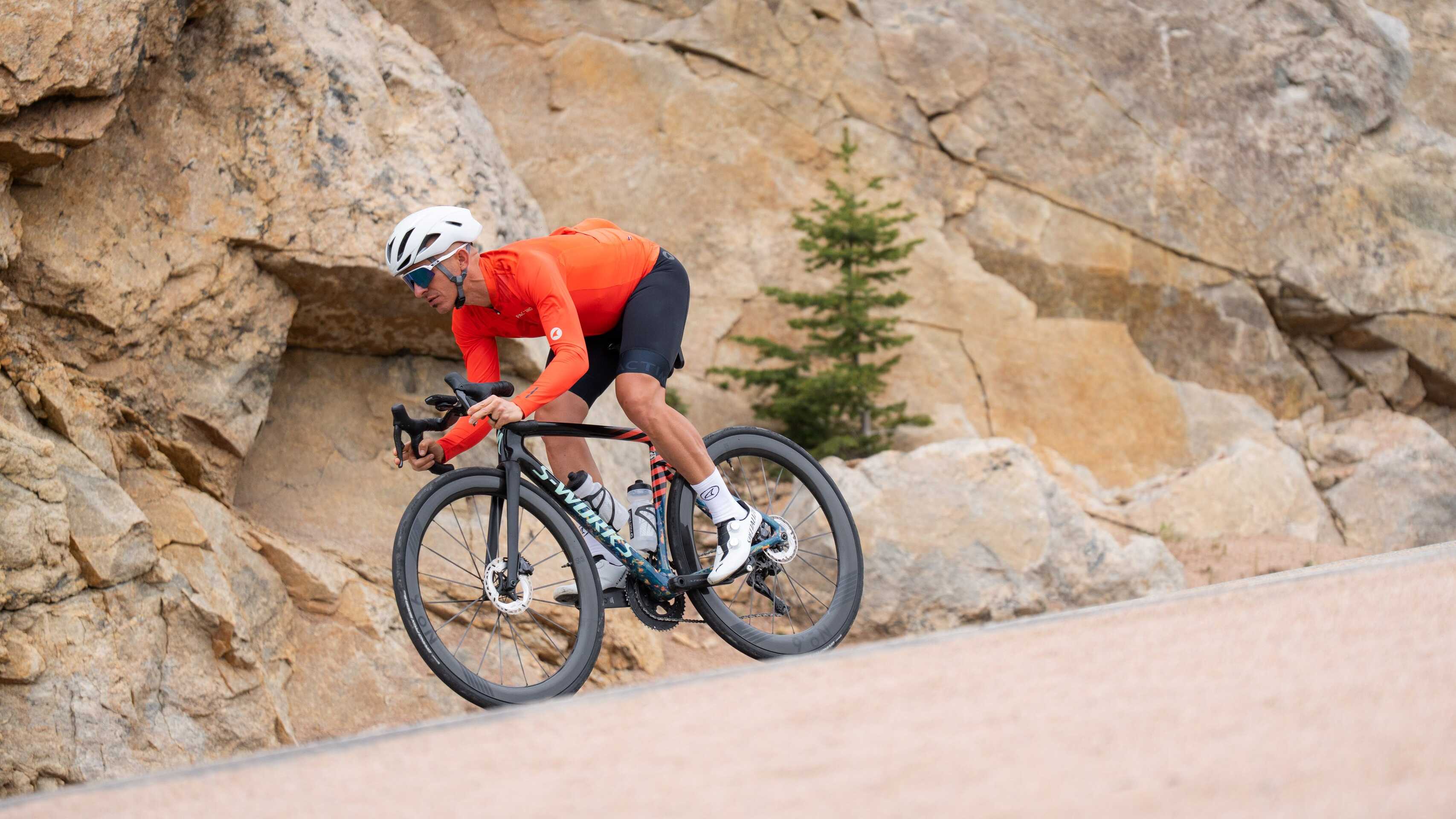
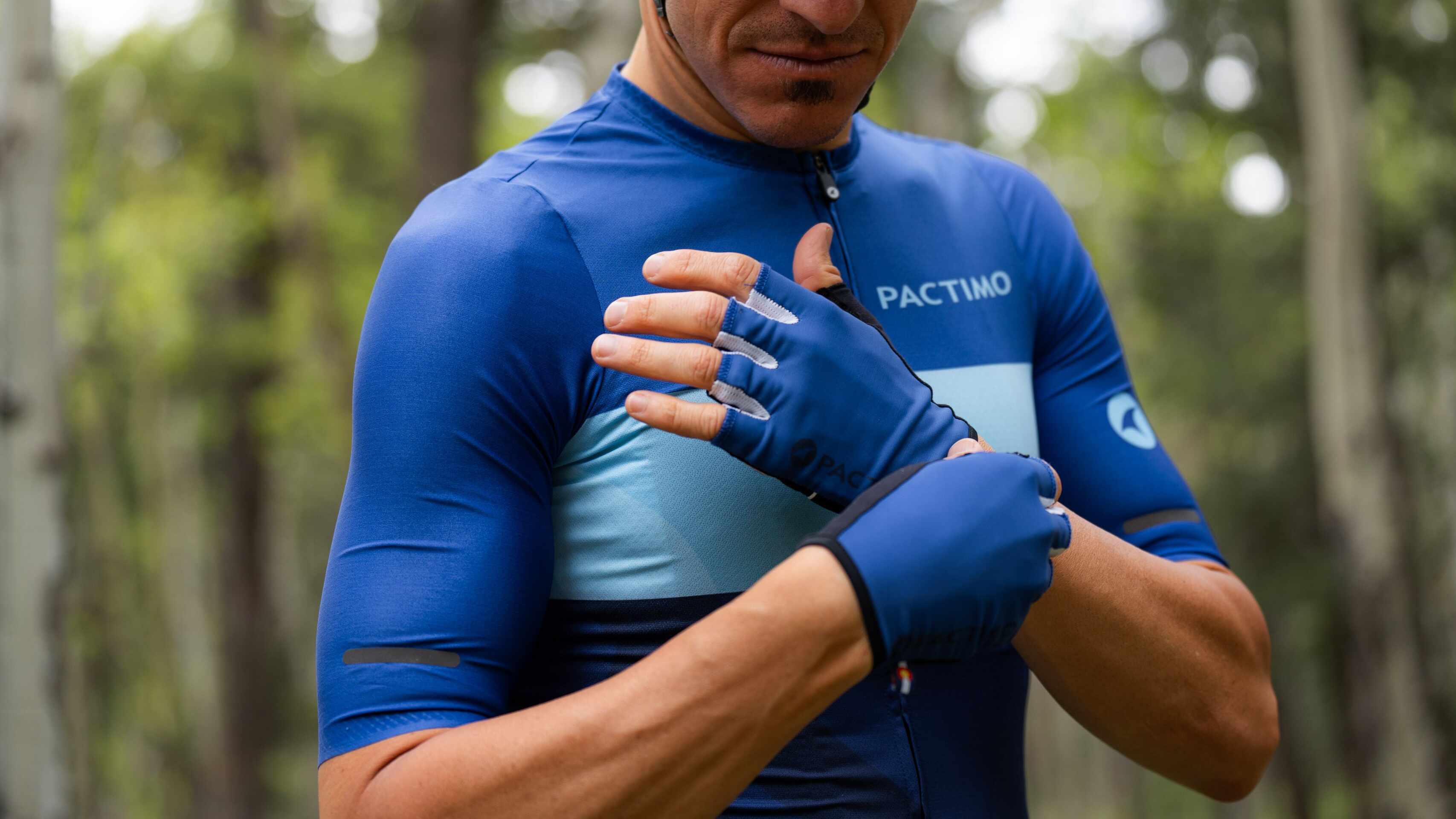
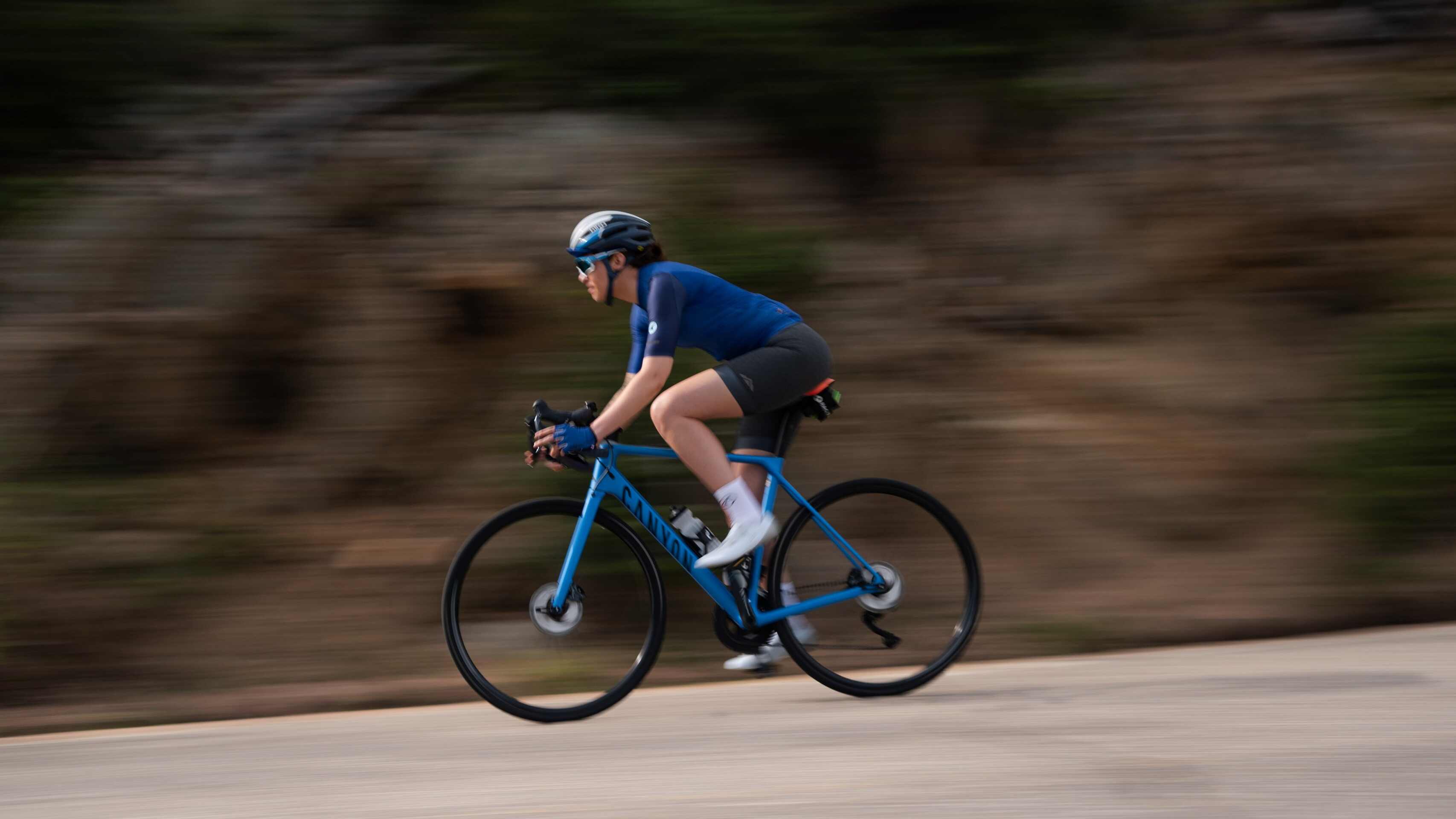
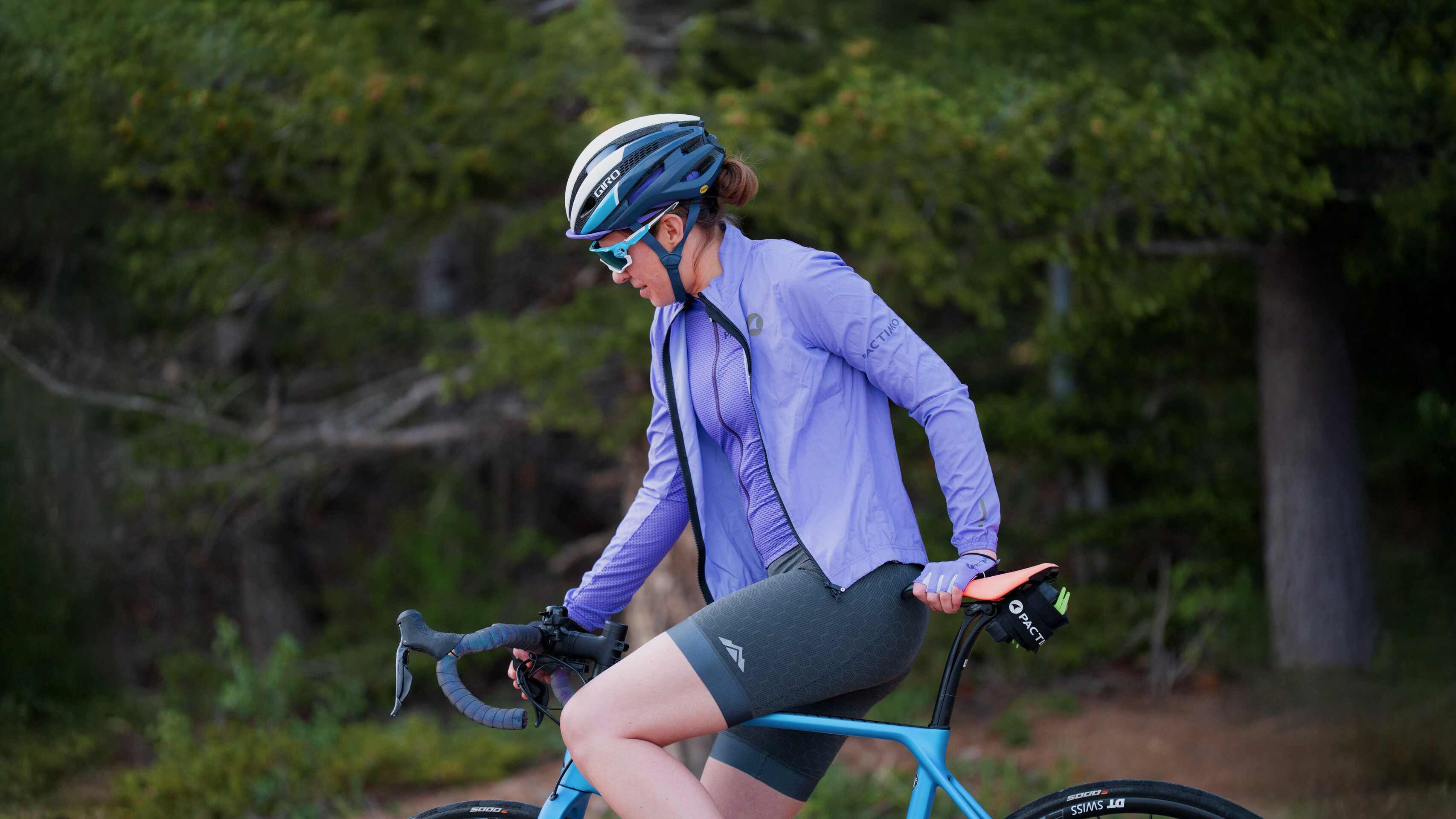
Person cycling on a city street with bare trees and a car in the background
Tips & Advice

The Gear That Never Makes the 'Essentials' List (But Should)

Pactimo's Head of Product Ryan White designs cycling apparel for a living, commutes by bike every single day, and just finished a 325-mile backcountry race. Here's what he actually reaches for.

In March 2026, Ryan White lined up with nearly 250 other riders at the start of Doom — a self-supported bikepacking race through the Ouachita backcountry of Arkansas, with route options up to 325 miles and close to 32,000 feet of climbing. He finished. Three days of riding, sleeping when necessary, carrying everything he needed on his bike through whatever conditions the trail decided to present.

It's the kind of event that has a way of clarifying what matters in a kit. Not the gear that looks good on a spec sheet, but the stuff you're actually grateful for at 2am on a remote forest road when the temperature drops and the trail turns to mud.

Ryan designs cycling apparel for a living as Pactimo's Head of Product. He also commutes to the office by bike every day it's open — not on nice days, every day — through Colorado's full range of weather. That combination of professional expertise and daily real-world use gives him a perspective on gear that most people never develop. He knows what performs and what's mostly marketing, because he's tested both.

We asked him for the gear that never makes the standard essentials lists, but should. These are his answers.

Two cyclists on a road surrounded by trees in Pactimo Divide cycling wind vests

The Cycling Vest

Every beginner gear guide tells you to buy a jersey and bibs. Almost none of them lead with a vest. Ryan thinks that's backwards.

"A vest is the most versatile piece of kit I own. I ride to work in the morning when it's 38 degrees and I need something over my jersey for the first 20 minutes. By the time I get there it's in my back pocket. It weighs almost nothing, packs to the size of a sandwich, and it changes the ride completely. If I could only add one thing to someone's kit after the basics, it's a vest every time." — Ryan White, Head of Product

The logic is simple: a vest covers your core, which is where your body loses heat fastest, while leaving your arms free to vent. On variable days — which describes most of spring and fall riding in Colorado — it lets you adapt without stopping to change. It's the piece that turns a 45-degree morning into a comfortable ride rather than a miserable one.

Shop Vests →

Arm Warmers

Closely related to the vest argument, and equally underrepresented on beginner kit lists. Arm warmers are what Ryan reaches for before a long descent, on a cool morning start, or any time conditions are borderline.

"I never leave for a ride without arm warmers in my pocket if there's any doubt about the weather. They weigh nothing. They take up no space. And they've saved more rides than I can count — the descent where it got colder than expected, the cloud that rolled in during hour three, the morning that was supposed to warm up but didn't. Once you own a good pair you'll never understand why you didn't have them sooner."
— Ryan White, Head of Product

What arm warmers give you is options. A jersey alone commits you to the conditions you started in. Arm warmers mean you can add coverage in 30 seconds without stopping. On multi-day rides like Doom, where weather management is a survival skill rather than a comfort preference, Ryan considers them non-negotiable.

Shop Arm Warmers →

Pactimo Clear Cycling Rain Jacket on Male Cyclist
Pactimo Clear Cycling Rain Jacket

A Packable Rain Jacket — The Right One

Most cyclists own a rain jacket. Far fewer own one they actually ride with. The typical mistake is buying something too bulky to carry, which means it stays home on days when it would have been useful — which is most days.

"The jacket that stays in your bag is worthless. The jacket that fits in your jersey pocket is the one that saves the ride. I'm not saying sacrifice protection — I'm saying the packability matters as much as the waterproofing. On Doom I had weather I didn't expect on day two. Having a jacket I could actually carry on the bike, not just plan to need, made the difference between riding through it and suffering through it."
— Ryan White, Head of Product

Ryan's recommendation: find a jacket that genuinely fits in a jersey pocket or handlebar bag when packed. If it doesn't, it won't be with you when you need it. Good packable waterproof technology exists at this point — there's no reason to choose between protection and portability.

Shop Men's Rain Jacket | Shop Women's Rain Jacket

A Cycling Cap

The cycling cap is one of those items that looks purely aesthetic from the outside and turns out to be genuinely functional once you own one. Ryan wears one on most rides.

"A cap under your helmet does more than people think. It keeps sweat out of your eyes on climbs, provides real sun protection when you're out for hours, and adds just enough warmth on a cold morning to make the difference between a comfortable start and a miserable one. For commuting in shoulder seasons I basically never ride without one. It's also the item I recommend to newer riders the most, because it solves three problems for about twenty dollars."
— Ryan White, Head of Product

The bill-forward position blocks sun on descents and road glare during early morning or evening rides. In light rain it keeps water off your face better than a helmet alone. And it's the kind of item that once you start using, you wonder how you rode without it.

Knee Warmers

Leg warmers get more attention, but Ryan argues knee warmers are the smarter choice for most conditions — and the item most frequently left off kit lists.

"Your knees are the most important joint in cycling and one of the most vulnerable to cold. Below about 60 degrees I'm protecting my knees. Knee warmers give you that without the full commitment of leg warmers or tights — you can pull them off mid-ride and stuff them in a pocket. On my commute they're probably my most-used piece of kit outside of the core jersey and bibs. Cold knees lead to knee problems. It's that simple."
— Ryan White, Head of Product

The medical case for protecting your knees while cycling in cold weather is well-established — tendons and ligaments don't perform well when cold, and repetitive pedaling motion under those conditions increases injury risk. Knee warmers are the lightest, most convenient solution. Like arm warmers, they're removable and pocketable, which makes them a realistic choice for variable days rather than just a plan-ahead item.

Shop Knee Warmers →

THE PATTERN

Look at the items on Ryan's list and a theme emerges: they're all about adaptability. A vest, arm warmers, a packable jacket, a cap, knee warmers — none of them are the hero piece that makes the Instagram post. They're the kit that lets you handle the ride as it actually unfolds rather than as you planned it.

That perspective is earned. You develop it by riding in conditions that are less than ideal, day after day, season after season, and paying attention to what you actually reach for. Ryan has been doing that for long enough to know which items matter and which ones look good on a spec sheet.

The essentials lists aren't wrong. You do need a good jersey and bibs. But the riders who are comfortable in every condition — the ones who finish races like Doom and still show up to work the next week — built their kits around the pieces that don't get the headlines.