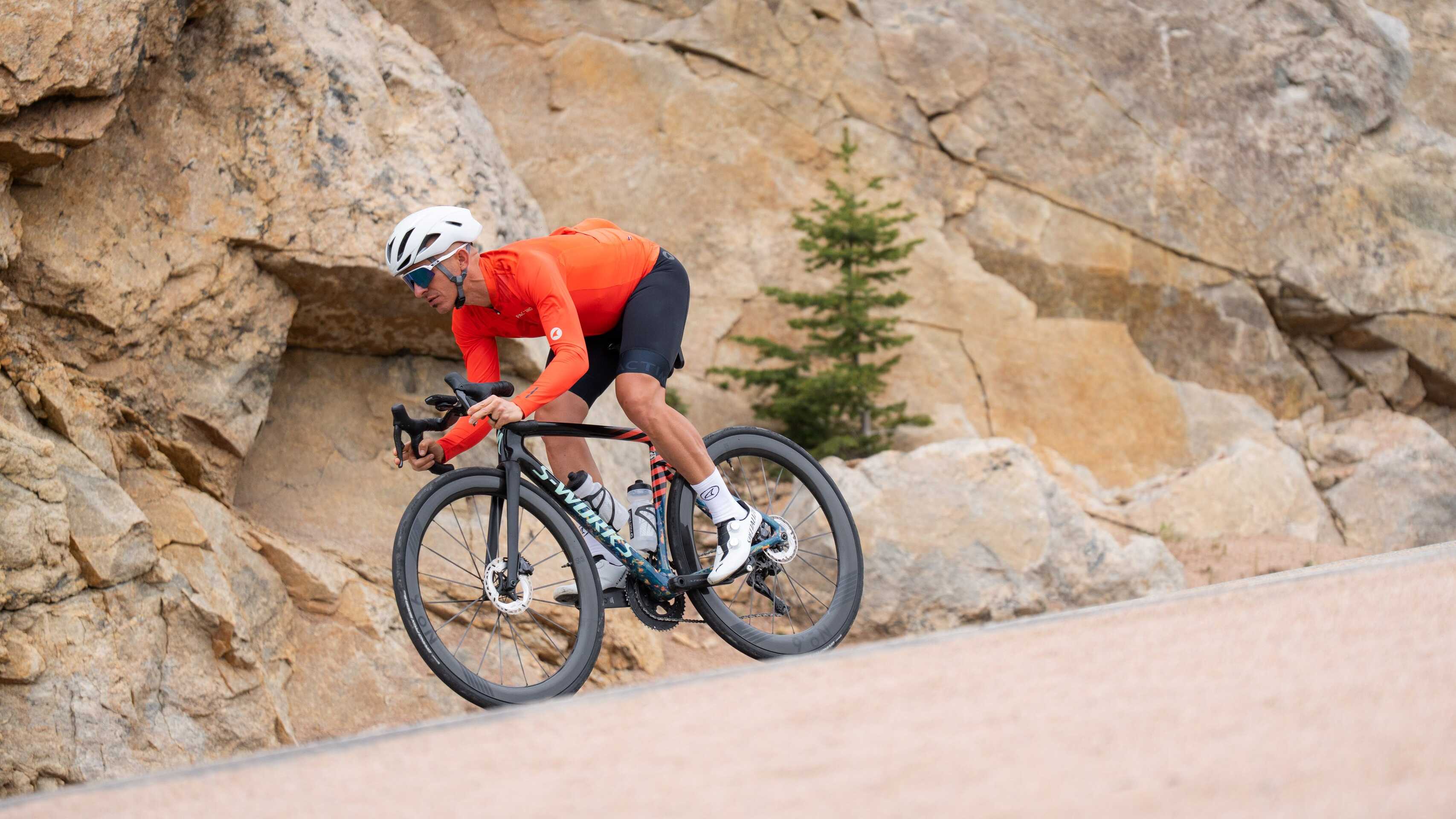
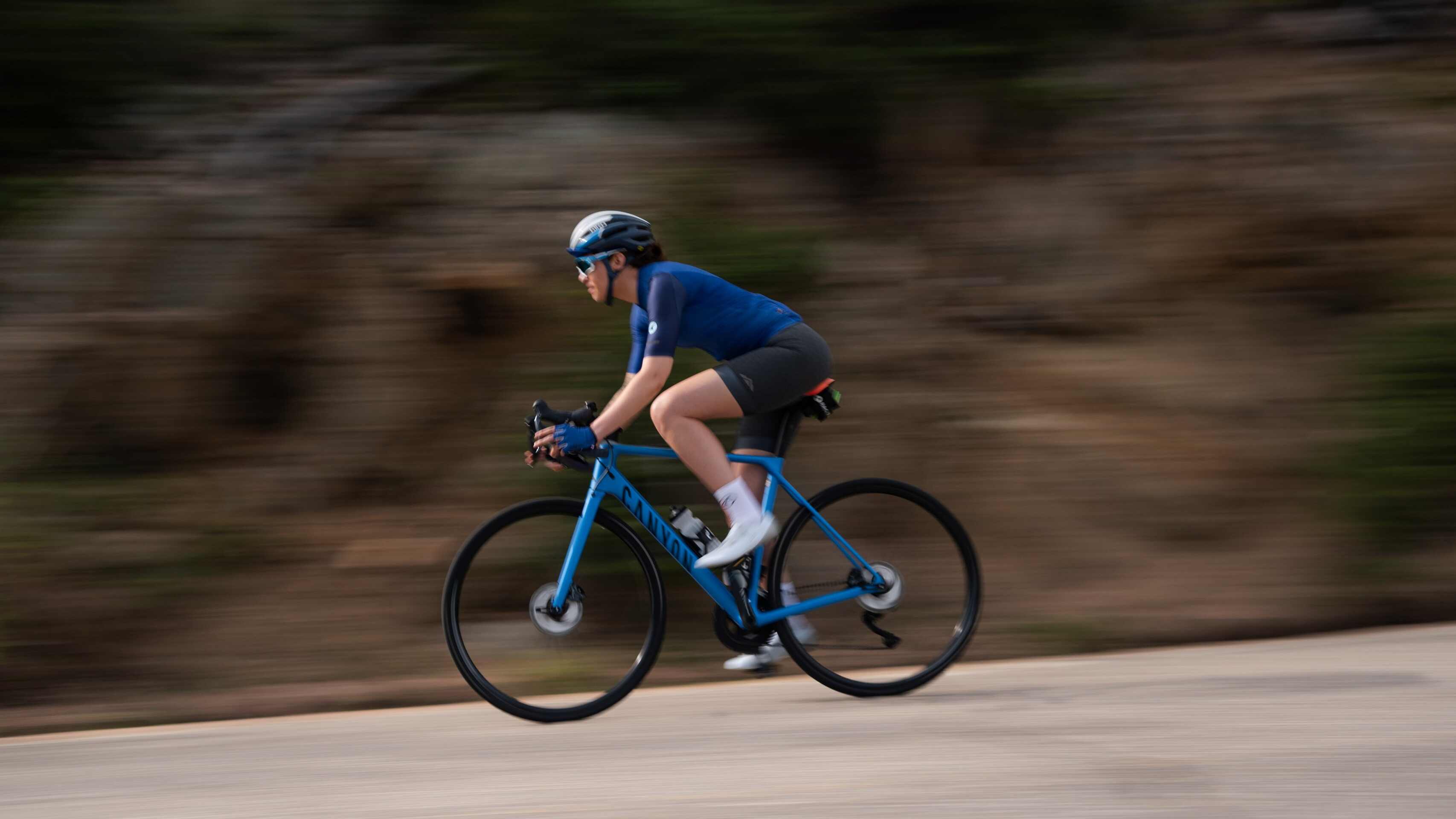
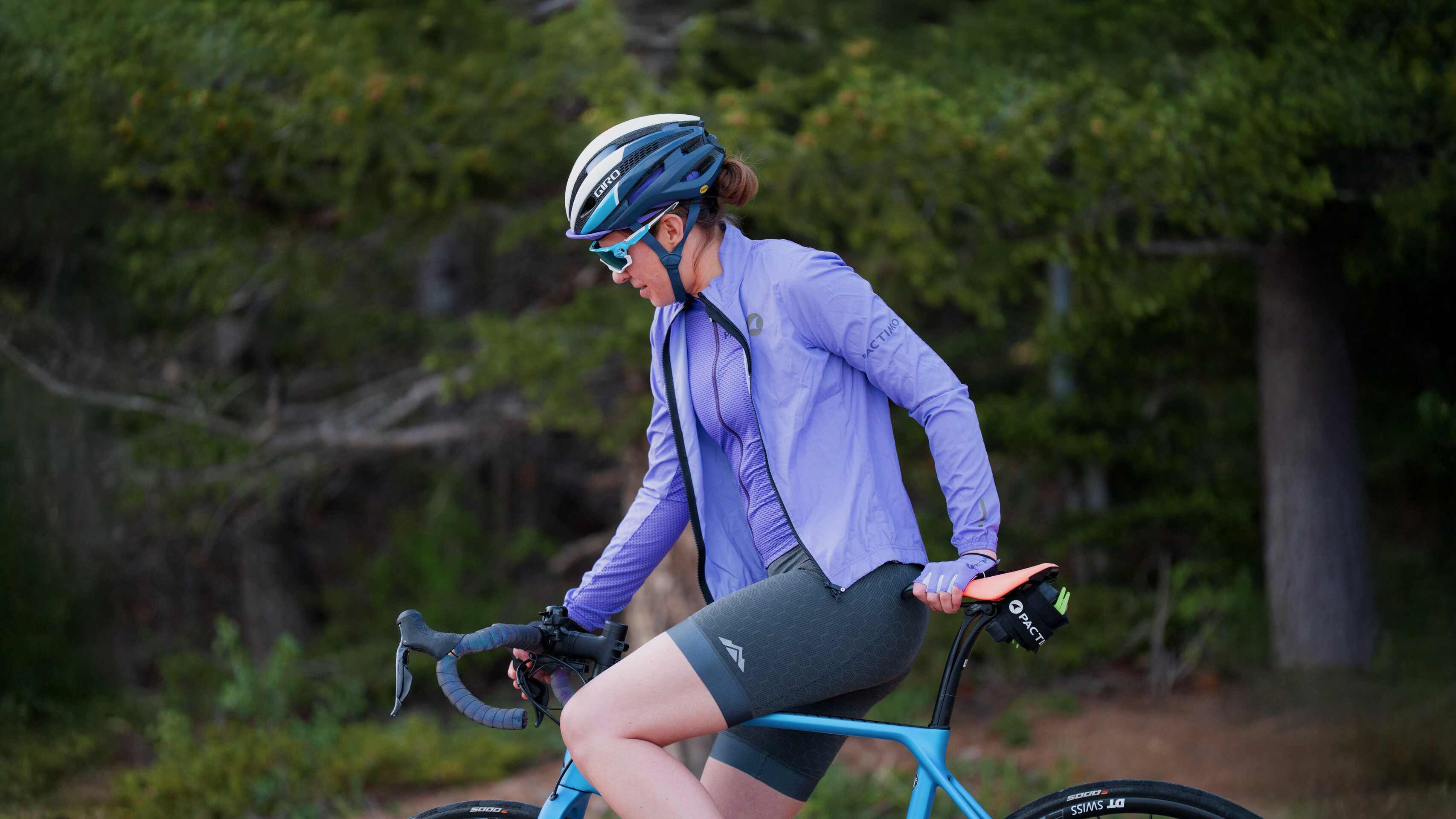
Millions of people are quietly struggling with isolation. It turns out the answer might be two wheels and a willing group of strangers.
It usually starts the same way. A doctor's suggestion. A divorce. A move to a new city. The kids leaving for college. A job that evaporated during the pandemic. The circumstances differ, but the feeling is the same: a creeping, ambient sense of disconnection from other people that is hard to name and harder to shake.
Loneliness has become one of the defining public health crises of our era. In 2023, the U.S. Surgeon General issued an advisory calling it an epidemic, noting that roughly half of American adults report measurable levels of loneliness. The consequences are not just emotional — research links chronic loneliness to elevated risks of heart disease, stroke, dementia, and early death. It is, by some measures, as damaging to long-term health as smoking fifteen cigarettes a day.
And yet — quietly, without clinical trials or government campaigns — cycling communities have been solving this problem for decades.
What Loneliness Actually Is
Loneliness is not the same as being alone. Plenty of people live alone and thrive. What researchers describe is a gap between the social connection someone has and the connection they want — a mismatch between reality and need. It is a subjective experience, which makes it easy to hide and easy to dismiss.
The problem is particularly acute during life transitions. Retirement strips away a workplace identity and daily routine. Relocation cuts the casual, low-stakes social ties — the neighbor you wave to, the coffee shop where someone knows your order — that turn out to matter more than we realize. Parenthood, paradoxically, can be deeply isolating, especially in the years of young children when spontaneity disappears. And grief — for a person, a relationship, a version of yourself — can make the world feel profoundly unpopulated, even in a crowded room.
These are exactly the moments when people tend to find cycling. Not always by design. Sometimes it's accidental.
Why the Group Ride Works When Other Things Don't
There's a reason support groups, twelve-step programs, and team sports all work better than solo self-improvement: humans are wired for shared experience. We connect through doing things together, not just talking about doing things. The group ride is, in this sense, a near-perfect social vehicle.
For one thing, it removes the pressure of pure conversation. On a bike, you are side by side, not face to face. Eye contact is optional. Silence is not awkward — it's just riding. The shared task of moving through a route together gives everyone something to focus on that isn't the social performance of getting to know someone. The conversation that does happen is low-stakes, prompted by shared context: the climb ahead, the weather, the route.
Then there's the physical dimension. Exercise is a powerful antidepressant and anxiolytic in its own right. But group exercise, research suggests, produces greater reductions in stress and stronger feelings of social bonding than solo exercise — likely because synchronized movement triggers neurochemical responses associated with trust and connection. There's a reason military units march together, and why rowers feel a bond that solo runners often don't.
And the suffering helps, strangely enough. When you've bonked together on a long climb, or gotten caught in the same unexpected rainstorm, or made the same wrong turn down a gravel road that turned into a hike-a-bike — you've shared something real. Suffering is, it turns out, a remarkably efficient bonding agent.
The Transitions That Lead People Here
Ask around in any cycling community and you'll find an unusual number of people who came to the sport during a hard chapter. The recently divorced. The newly retired. The person who moved cities for a job and found the social network didn't transfer the way they'd hoped. The cancer survivor rebuilding their relationship with their body. The person who simply, gradually, after years of adult life's accumulating obligations, realized they had no idea how to make friends anymore.
What's striking is how rarely these people set out looking for community. Most of them say they signed up for the fitness. Or the solitude. Or because someone kept inviting them and they finally ran out of excuses. The community arrived as a side effect — and then became the point.
This is not an accident of culture. It's a feature of how cycling is structured. Group rides have a built-in architecture for welcoming new people: a defined route, a set pace, a no-drop policy (when the ride is well-run), and a finish that usually involves coffee or a beer and a natural extension of the time together. The logistics do half the social work so the people don't have to.
The Unlikely Bonds That Form on the Road
One of the more interesting things about cycling communities is the degree to which they cut across social lines that otherwise keep people apart. In most other contexts, a 28-year-old software engineer and a 62-year-old retired teacher don't have much occasion to become friends. On a bike, they're just riders — evaluated by the same currency of how they handle a climb, whether they call out obstacles, whether they wait at the top.
The sport creates a kind of enforced equality. The fastest rider on the group is not automatically the most valued — how you treat other riders, whether you make room for beginners, whether you share your knowledge generously, matters as much or more. Good cycling communities have a strong ethic of service built in: you share your wheel, you call out hazards, you wait for the dropped rider.
This ethos is not universal — anyone who has encountered a hostile fast group will tell you that. But it is the aspiration of most communities worth belonging to, and when a group lives up to it, the result is something rare: a community built on shared values and shared effort rather than shared demographics.
Finding Your Way Into a Cycling Community
The barrier to entry is real. Showing up alone to a group ride for the first time is one of those low-stakes social situations that nevertheless produces outsized anxiety. You don't know the routes. You don't know the norms. You don't know if you're fast enough, fit enough, equipped enough. You are, in the most literal sense, vulnerable — you might get dropped, get lost, or make a mistake that everyone sees.
This is worth acknowledging rather than dismissing. Loneliness often coexists with social anxiety, and the very thing that would help most is the thing that feels hardest to do. But there are lower-friction entry points than the local fast group ride.
Charity events and gran fondos are explicitly beginner-friendly and designed around participation rather than competition. Most cities have explicitly social cycling clubs — slower-paced, coffee-oriented, often tagged as 'no-drop' — that are built for exactly this kind of entry. Online communities are an imperfect substitute for in-person connection, but they can lower the barrier enough to make a first real-world ride feel less like walking into a room of strangers.
The cycling community is, on balance, one of the more welcoming subcultures in sport. It helps to go in expecting that. Most riders remember being the new person, and most of them remember being helped.
The Ride Is the Point
There is no clean ending to the loneliness story. It's not a problem with a solution so much as a condition with management strategies — and managing it is ongoing work. The group ride is not a cure. It's a practice.
But practices accumulate. The stranger you nod to on the way out becomes the person whose wheel you trust on a descent, becomes the person you call when the ride gets canceled and you want to go anyway. Casual becomes familiar becomes something that looks a lot like friendship, built over miles and time and shared weather.
The Surgeon General is right that we have a loneliness epidemic. The prescription he didn't write — but could have — involves getting outside, moving your body, and doing both alongside other people who are trying to do the same thing.
There are worse ways to start. Find a group ride. Show up once. See what happens.