The Ultimate Cycling
Race Day Checklist
Race Day Checklist
What You’ll Learn
In this guide, you’ll discover:
_________________________
Whether you’re lining up for your first local criterium, tackling a gravel race, or pinning on a number for a century event, race day success starts long before the starting whistle.
The strongest riders aren’t always the fastest—they’re often the best prepared.
From checking your bike to fueling correctly and arriving with a clear plan, the small decisions you make before the race can have just as much impact as your fitness.
Use this complete cycling race day checklist to eliminate unnecessary stress and give yourself the best opportunity to ride your strongest.
The final week isn’t the time to build fitness. It’s the time to arrive rested, healthy, and confident.
One more hard workout won’t suddenly make you stronger, but it can leave your legs feeling flat.
Instead:
The goal is to arrive fresh—not fatigued.
Mechanical problems ruin more races than fitness does.
Spend a few minutes checking:
If your bike needs significant work, complete it several days before the event—not the night before.
Race day is never the time to experiment.
Use your final training rides to test:
If something upset your stomach during training, it will probably do the same during a race.
Knowing what lies ahead helps eliminate surprises.
Review:
Understanding the course allows you to pace yourself more effectively and conserve energy for the moments that matter.
Good preparation leads to a calm race morning.
Avoid scrambling at sunrise by organizing your gear the night before.
Race Clothing
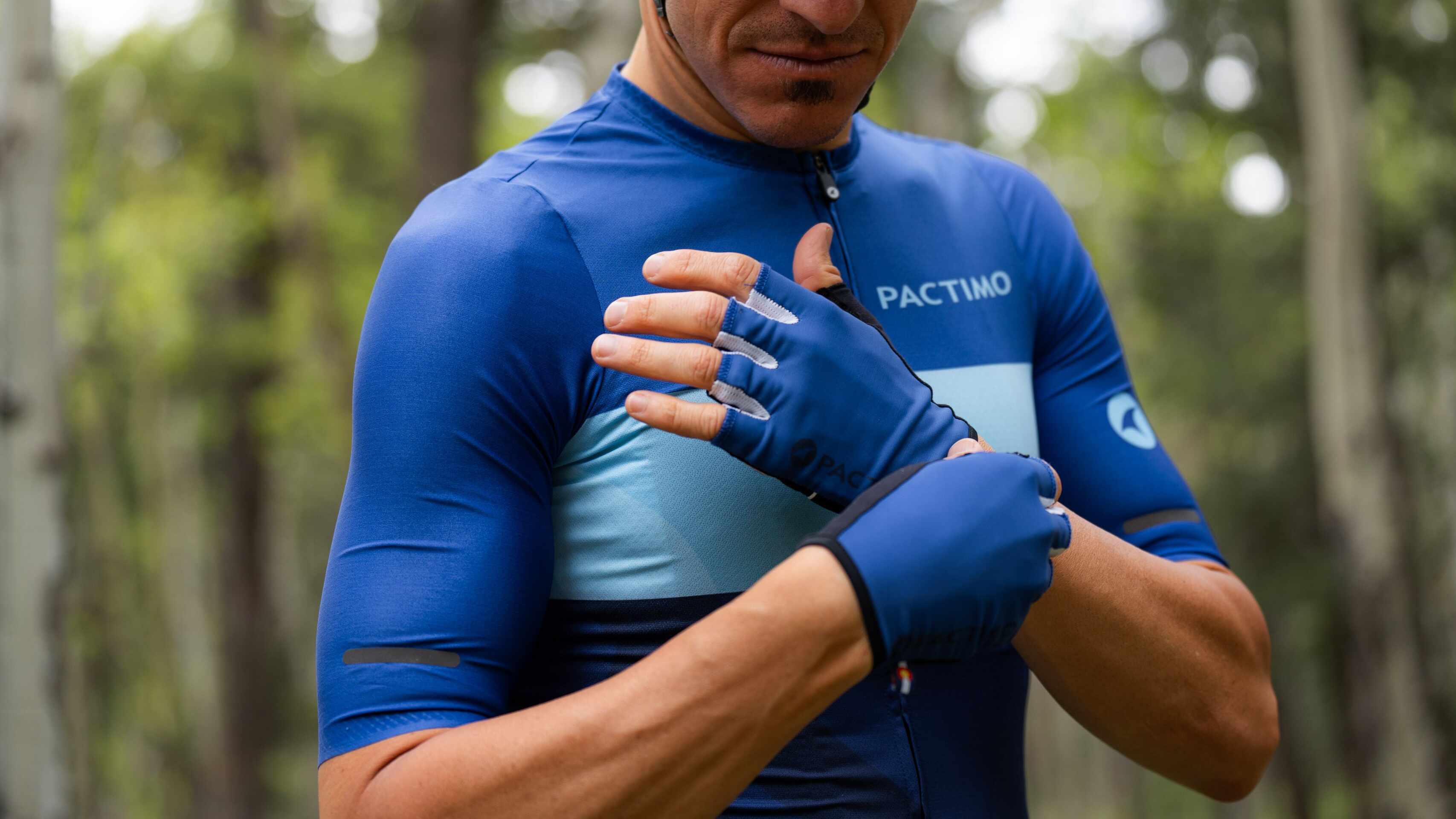
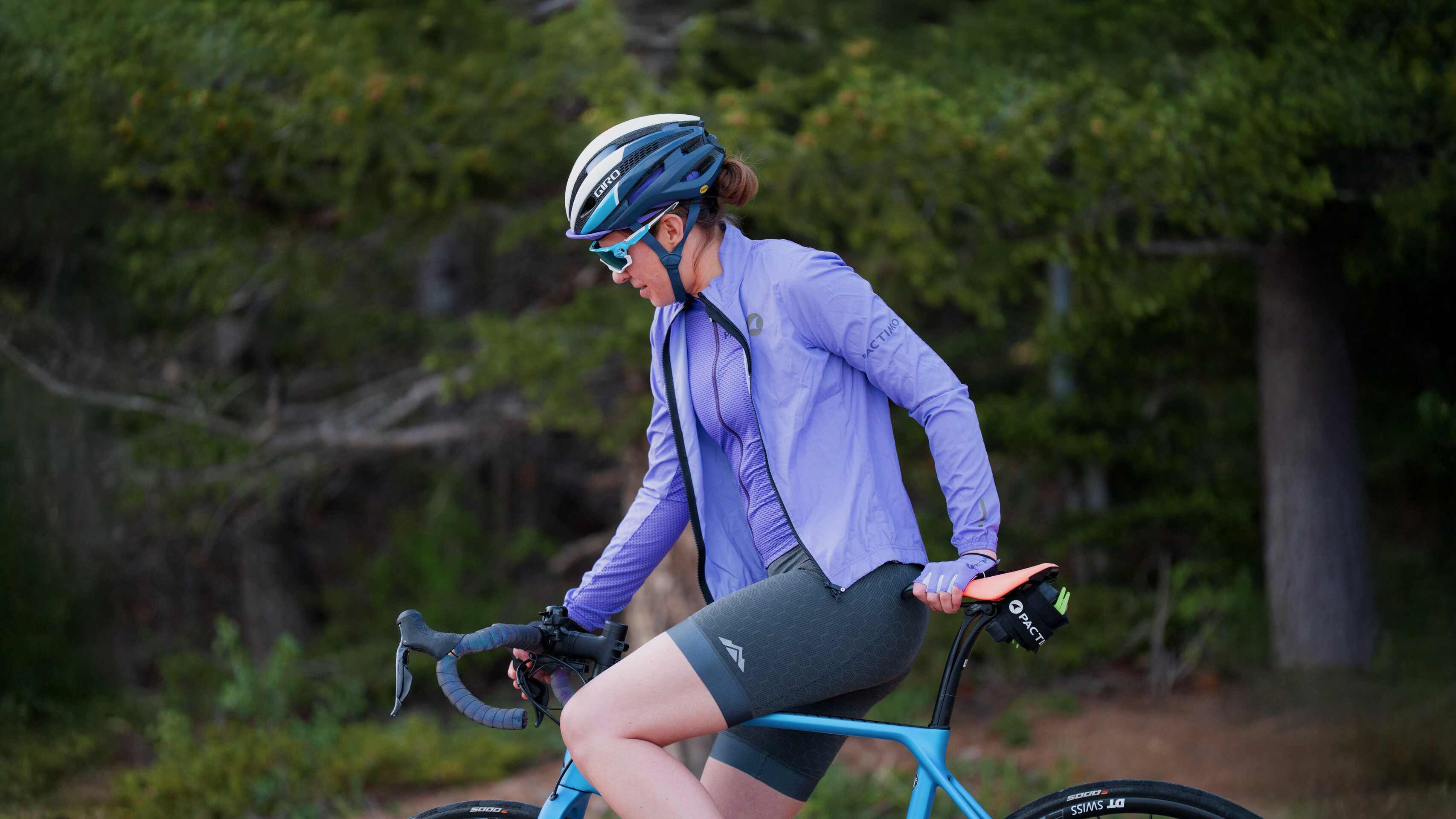
Choose clothing that’s appropriate for the expected weather and conditions. Lightweight, breathable apparel helps regulate body temperature during hard efforts, especially in warm weather.
Pack everything you’ll need.
Examples include:
Label bottles if you’re using different drink mixes.
Complete one final check.
Many cyclists worry about sleeping perfectly before a race.
Don’t.
One restless night rarely affects performance nearly as much as poor sleep throughout the week.
Focus on getting quality sleep during the several nights leading up to race day.
A consistent routine helps reduce nerves.
Aim to eat two to three hours before the start whenever possible.
Good options include:
Choose foods you’ve successfully eaten before training rides.
Begin drinking fluids when you wake up.
Continue sipping water or an electrolyte drink leading up to the start rather than trying to drink a large amount all at once.
Give yourself enough time to:
Rushing raises stress levels before you’ve even begun riding.
Your warm-up should match the event.
For shorter races:
For longer endurance events, a shorter warm-up is often sufficient.
Adrenaline makes every pace feel easier than it really is.
Avoid burning too many matches during the opening miles.
Ride your own race whenever possible.
Waiting until you’re hungry or thirsty is usually too late.
Begin fueling early.
Aim for consistent carbohydrate intake throughout longer events and continue drinking regularly—even if temperatures feel cool.
Strong racers waste very little energy.
Focus on:
Small energy savings add up over the course of a long event.
Learn how to draft efficiently, communicate clearly, hold your line, avoid common mistakes. Read How to Ride in a Group: 10 Essential Skills Every Cyclist Should Know
Every race includes unexpected moments.
Flat tires.
Headwinds.
Dropped chains.
Missed breakaways.
Rather than dwelling on setbacks, quickly shift your focus toward what you can control next.
A calm mindset often leads to better decisions under pressure.
The race isn’t quite over.
Within the first hour:
Early recovery helps prepare your body for future training.
Check for:
Cleaning and inspecting your bike immediately makes the next ride much easier.
Ask yourself:
Every race provides valuable experience.
Many disappointing races can be traced back to avoidable decisions.
Try to avoid these common mistakes:
Preparation builds confidence.
Confidence improves performance.
✔ Helmet
✔ Shoes
✔ Gloves
✔ Sunglasses
✔ Jersey
✔ Bib shorts
✔ Socks
✔ Pump
✔ Spare tube
✔ CO₂ cartridge
✔ Tire levers
✔ Multi-tool
✔ Chain quick link
✔ Bike computer
✔ Water bottles
✔ Electrolytes
✔ Energy gels
✔ Bars
✔ Recovery drink
✔ Race license (if required)
✔ ID
✔ Phone
✔ Cash or card
✔ Sunscreen
Fitness may determine your potential, but preparation allows you to reach it.
The riders who consistently perform well aren’t always the strongest—they’re often the ones who arrive organized, fueled, and ready for whatever the day brings.
Use this checklist before every event, refine your routine with experience, and you’ll spend less time worrying about what you forgot—and more time enjoying the ride.
See you at the start line.
Plan to arrive at least 60 to 90 minutes before the start. This gives you time to park, register, prepare your bike, warm up, and avoid unnecessary stress.
It depends on the surface. Slightly lower pressures often improve grip and comfort on rough pavement and gravel, while smoother roads generally allow for slightly higher pressures. Follow your tire manufacturer’s recommendations and adjust for your weight and conditions.
Choose a meal rich in carbohydrates with a moderate amount of protein that you’ve already tested during training. Avoid trying unfamiliar foods on race day.
Most riders benefit from a 20–30 minute warm-up before shorter, high-intensity events. Longer endurance races typically require less structured warm-up.
Most riders carry an energy gel or two, a multi-tool, CO₂ inflator, tire lever, spare tube (or tubeless repair kit), phone, and ID. Adjust your kit based on the race distance and available support.