
What Should You Wear?

Thermal Bib Shorts
and Warmers vs. Bib Tights

What You’ll Learn

  • When to choose thermal bib shorts with warmers and when to reach for tights.
  • How to plan your layers for cool starts, warmer afternoons, and consistently cold rides.
  • How to wear knee and leg warmers correctly to help prevent slipping.
  • The difference between thermal warmth, wind protection, and water resistance.
  • How to layer tights without a chamois over your favorite cycling shorts—and choose the right size.

_______________________________

Choosing between thermal bib shorts with leg or knee warmers and full bib tights

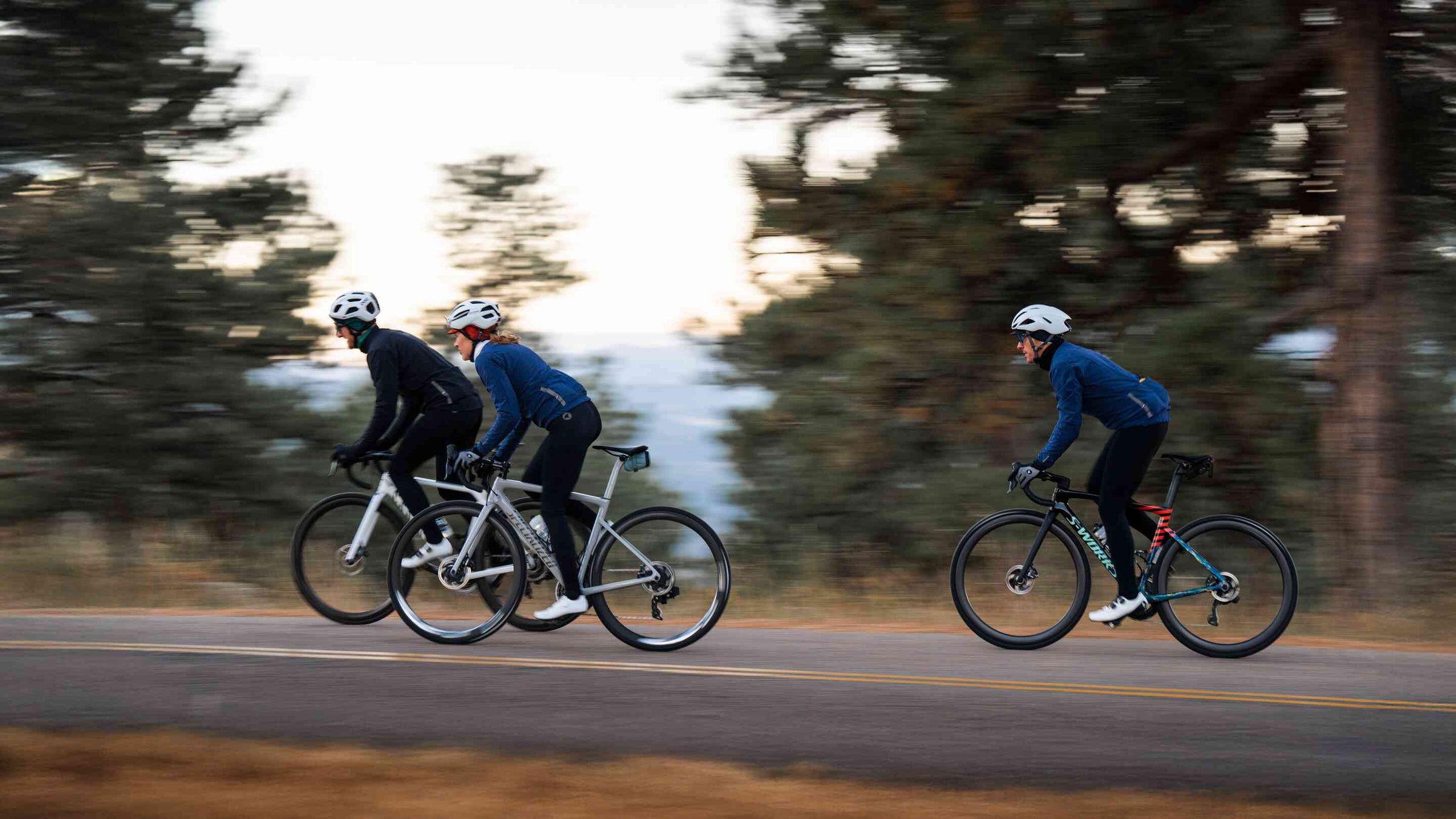
A cool morning can turn into a warm afternoon surprisingly quickly. Other days, the chill stays with you from the first pedal stroke to the last. Choosing between thermal bib shorts with leg warmers and full bib tights starts with understanding which kind of ride you’re heading into.

Choose thermal bib shorts and leg warmers when you expect to remove or add coverage during your ride. Choose thermal bib tights when temperatures will stay cool and you want continuous coverage throughout.

Both belong in a cool-weather cycling wardrobe. The best choice depends on the forecast, your comfort preferences, and how much flexibility you need.

"Think about the whole ride when you get dressed. If you’ll want to uncover your legs later, thermal bib shorts and warmers give you that flexibility. If it’s going to stay cold, tights let you settle in with consistent coverage from start to finish." — Ryan White, Pactimo Head of Product

When Thermal Bib Shorts and Leg Warmers Make Sense

Warmers give you options. Start with them on, take them off when the day warms up, and keep them handy if you expect a chilly descent or an evening finish.

That flexibility is particularly useful during autumn and spring, when the temperature at your front door may be very different from what you’ll encounter a few hours later.

For example, imagine a dry ride beginning around 45°F (7°C) and finishing near 60°F (16°C). Depending on your personal comfort, removable leg coverage may be more useful than tights you’ll want to take off halfway through. These are example conditions, rather than temperature ratings for an individual garment.

Thermal bib shorts add insulation where ordinary summer shorts may leave you wanting more warmth. Pactimo’s Alpine Thermal Bibs use recycled Italian fleece-backed fabric and are designed to pair with knee or leg warmers. Explore the men’s Alpine Thermal Bibs and women’s Alpine Thermal Bibs.

Remember that removing your warmers still leaves you wearing thermal shorts. If the afternoon will become genuinely warm, your everyday bib shorts with warmers may be the more comfortable starting point.

Consideration Thermal bib shorts + leg warmers Thermal bib tights
Best use Cool starts, warmer finishes, changing conditions Consistently cool or cold rides
Adjustability Remove or add warmers as needed Coverage stays in place throughout the ride
Coverage Full leg coverage with an overlap at the thigh Continuous coverage without a shorts–warmer junction
Warmth Thermal shorts insulate the upper legs; warmers extend coverage Can provide greater overall warmth, depending on fabric and construction
Fit Requires correct warmer placement and sizing One garment, without separate thigh grippers
Versatility Shorts and warmers can also be worn separately A dedicated option for cooler conditions

Warmers Can Extend the Life of Your Everyday Kit

You don’t need an entirely new wardrobe for every cool morning.

If you live somewhere with mild autumns and winters, warmers offer a relatively inexpensive way to keep using the jerseys and shorts you already enjoy. You may only need extra coverage for the first hour or the ride home after sunset.

Choose the coverage that fits your conditions:

For commuters, this approach can simplify two very different rides in one day. On a dry, mild morning, arm warmers may provide enough extra warmth without leaving you carrying a bulky jacket during a sunny afternoon trip home. When wind or rain protection is needed, plan your outer layer accordingly.

Alpine Thermal Leg Warmers

SEE DETAILS

Alpine Thermal Arm Warmers

SEE DETAILS

Alpine Thermal Knee Warmers

SEE DETAILS

When Bib Tights Are the Better Choice

If the forecast stays cool throughout your ride, the ability to remove your leg coverage becomes less important.

Thermal bib tights provide continuous coverage without a separate warmer overlapping the shorts. That can be especially appealing for steady winter road rides, relaxed gravel outings, or days when you know you’ll want your legs covered until you get home.

Tights can also provide greater overall warmth, although the difference depends on the fabrics and construction being compared. Full length alone does not tell you everything about a garment’s insulation.

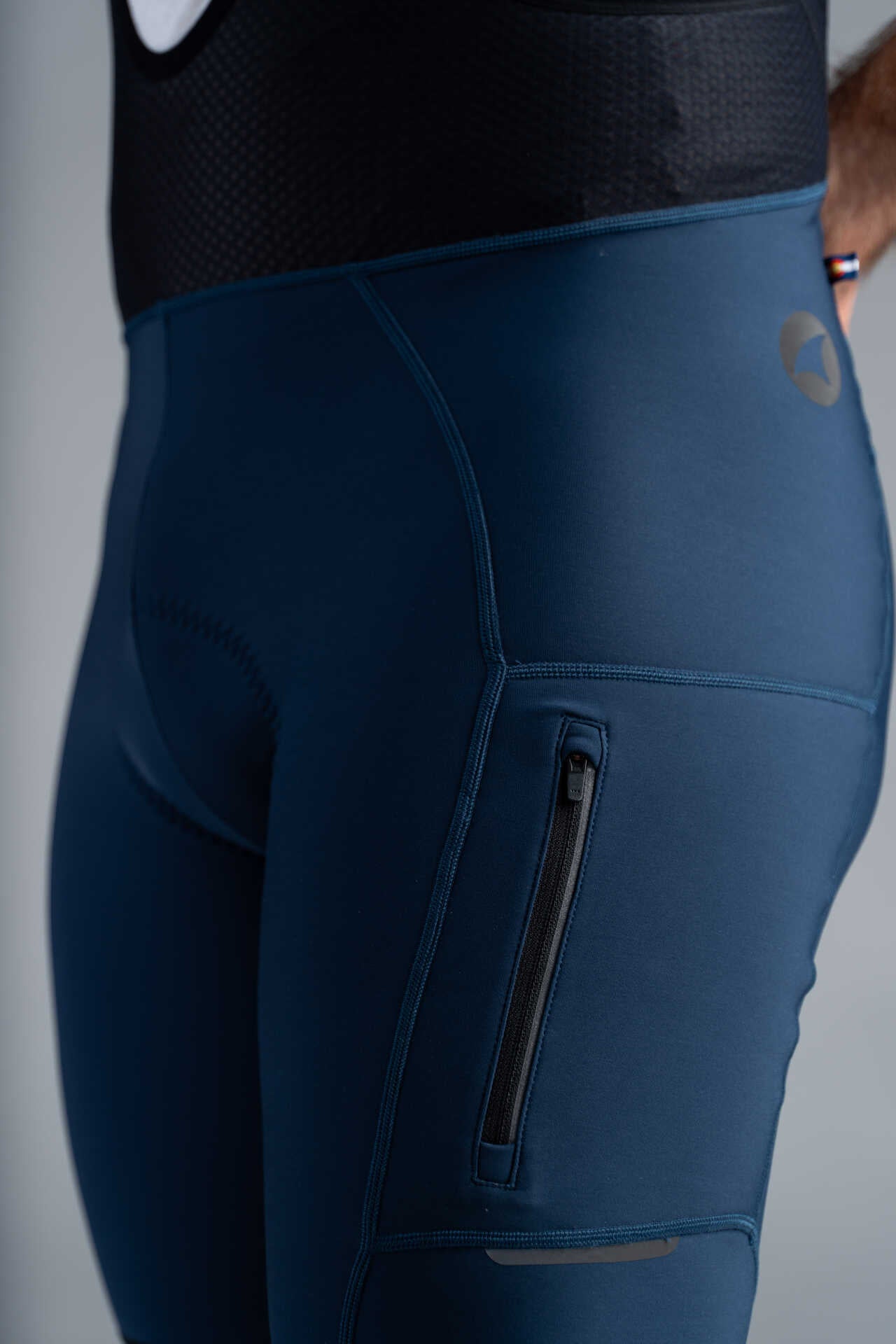
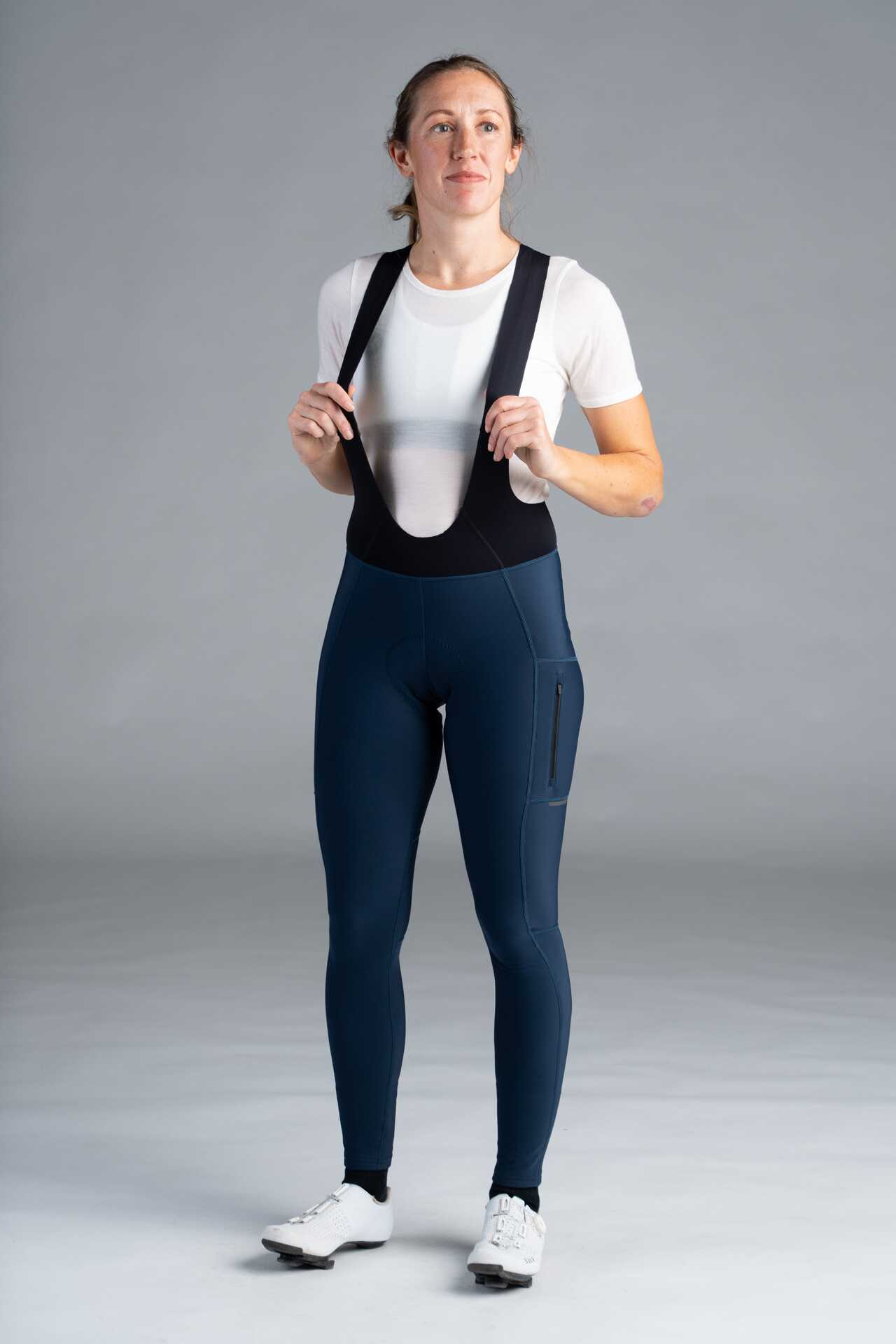
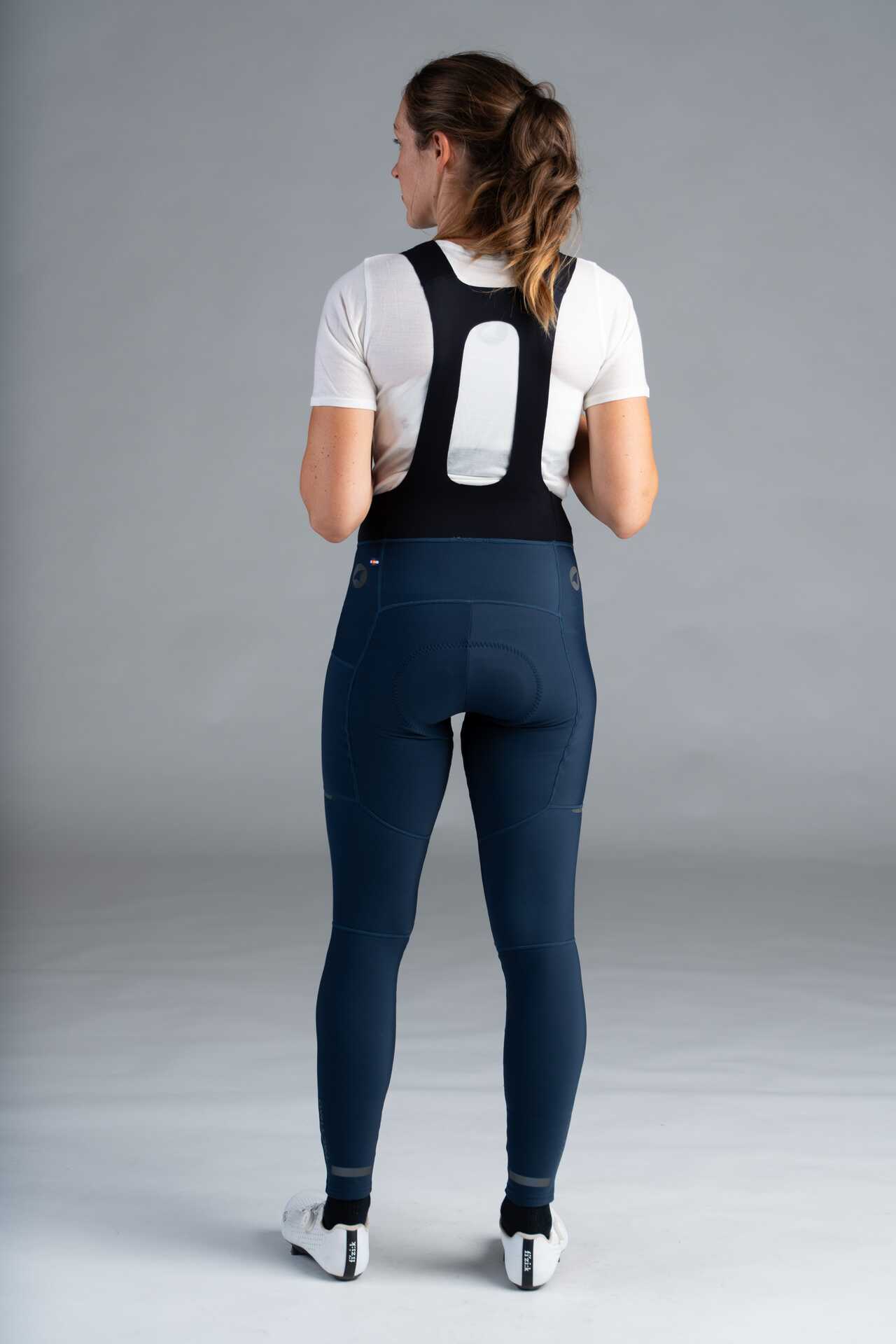
The men’s Alpine Thermal Bib Tight uses thermal fleece fabric and includes a chamois, giving you insulation and cycling padding in one garment.

For riders who want coverage below the knee but don’t need a full-length tight, the women’s Alpine Thermal Bib Knicker offers another option. It avoids the separate shorts–warmer overlap while leaving the lower portion of the legs uncovered.

Thermal Bibs & Tights

What Temperatures Are Best for Warmers or Tights?

There isn’t one temperature at which every rider should switch.

Pactimo’s weather collections describe cool weather as approximately 40–55°F (4–13°C) and cold, dry weather as approximately 30–45°F (−1–7°C). Those overlapping ranges are starting points for choosing a complete outfit, rather than hard limits for every item.

Within those conditions, consider what will happen over the entire ride:

  • Cool at the start, noticeably warmer later: Shorts with knee or leg warmers give you adjustable coverage.
  • Cool or cold from start to finish: Thermal tights offer a straightforward option for keeping your legs covered.
  • Mild daytime temperatures with a cooler evening return: Carry warmers to add before you get chilled.

A leisurely gravel ride, an extended climb, and a long road descent can feel quite different at the same air temperature. Your effort, wind exposure, ride duration, and tendency to run warm or cold should all influence your choice.

How to Keep Knee and Leg Warmers from Slipping

Placement matters as much as the gripper.

Pactimo’s knee and leg warmers combine generous length with silicone grippers. To get the intended fit, wear them high on the thigh, directly against your skin, with the bib-short leg over the top.

Follow these steps:

  1. Pull the warmer high enough that its upper edge sits beneath your shorts.
  2. Smooth the fabric along your leg, avoiding folds behind the knee.
  3. Position the upper gripper against your skin.
  4. Pull your bib-short leg over the warmer to create a secure overlap.
  5. Bend your knees and check the fit in your riding position.

The overlap should remain covered as you pedal. Wearing warmers too low can leave an exposed gap and make it harder for them to stay in place.

Choose your usual Pactimo size for bibs, tights, and warmers. You do not need to size up for this combination. A good fit should feel secure while allowing your knees and hips to move comfortably.

Thermal Warmth, Wind Protection, and Water Resistance

“Thermal” describes warmth; it does not automatically mean waterproof or windproof.

The Alpine garments discussed here emphasize insulation, breathability, and stretch. The Alpine warmers use lightly lofted ThermaGuard fabric, while the Alpine bibs and tights use fleece-backed fabric. Those features help with cool-weather comfort, but should not be treated as a promise of rain protection.

For wet or especially windy rides, check the specific garment’s stated protection. A water-repellent finish and a waterproof barrier are different features, and neither should be assumed simply because a garment is designed for cold weather.

Thermal Warmers

Want to Keep Wearing Your Favorite Bibs? Try Tights Without a Chamois

There is another way to get full leg coverage: wear thermal tights over the padded bibs or shorts you already prefer.

Pactimo’s Alpine Thermal Tights without a chamois are designed for this purpose, with options for men and women.

Your bibs or shorts provide the chamois; the tights provide the additional thermal layer. Choose your normal Pactimo size—there’s no need to size up to accommodate the shorts underneath.

These tights can also be removed if conditions warm up, giving you another adaptable option when you prefer full coverage over separate warmers.

The distinction is simple: tights without a chamois go over padded cycling shorts. Bib tights with a chamois already provide the padding, so you don’t need another padded pair underneath.

Before your next ride, check both the starting temperature and the forecast for your return. If you expect to change your coverage, reach for warmers. If you’ll want that coverage all day, reach for tights.

Men's Alpine Thermal Tights (No Chamois)

SEE DETAILS

Women's Alpine Thermal Tights (No Chamois)

SEE DETAILS

FAQs

Thermal bib shorts paired with leg warmers can provide substantial warmth and full leg coverage. Thermal tights offer continuous coverage without the shorts–warmer overlap and may be warmer, depending on their fabric and construction. Choose based on the conditions and whether you’ll want to remove coverage during your ride.

There is no universal cutoff. Pactimo’s cool-weather guidance covers approximately 40–55°F (4–13°C), while its cold, dry weather guidance covers approximately 30–45°F (−1–7°C). These are starting points for a complete outfit. Tights make sense when conditions will stay cool enough that you’ll want your legs covered throughout the ride.

Wear the upper portion of your leg warmers under your cycling shorts, with the gripper directly against your skin. Pull them high on your thighs, then position your shorts over the top to create an overlap that stays covered as you pedal. The same applies to knee warmers.

Choose the correct size, pull the warmers high on your thighs, and place the silicone grippers directly against your skin. Smooth out folds and position your bib-short legs over the warmer tops. Pactimo’s knee and leg warmers use generous lengths and silicone grippers to help maintain a secure fit.

Yes. Knee and leg warmers work with your everyday cycling shorts as well as thermal bib shorts. Regular shorts with warmers are useful for mild days with cool starts or finishes. Thermal bib shorts add insulation around the upper legs when you need more warmth.

It depends on whether the tights include a chamois. Pactimo’s Alpine Thermal Tights without a chamois are designed to go over padded cycling shorts or bibs. If your tights already include a chamois, you do not need another padded garment underneath.

Choose your usual Pactimo size. There is no need to size up in thermal bibs, tights, or warmers—including chamois-free tights designed to fit over your cycling shorts. If you’re new to Pactimo, use the size guide to find your fit.

Thermal construction does not automatically mean waterproof or windproof. The Alpine products discussed here emphasize warmth, breathability, and stretch. For wet or windy rides, check each garment’s specific weather-protection features rather than relying on the word “thermal.”

Summit Tri Shorts Women's - Splinter
CHAMOIS TECHNOLOGY
Discover how today’s multi-density chamois reduce pressure, minimize friction, and keep you comfortable on every ride.
Explore Chamois Technology
COMPARISON GUIDE
CYCLING BIB SHORTS
Side-by-side details about our bibs and tights.
see the guide
comparison guide
CYCLING JERSEYS
Side-by-side details about our jerseys.
see the guide