



Cycling Shorts for Beginners
Cycling Shorts for Beginners
Everything You Need to Know Before You Buy


What You’ll Learn
In this guide you’ll discover:
Quick Answer
If you’re new to cycling, here’s the short version:
_______________________________
Buying your first pair of cycling shorts can feel a little intimidating.
They’re tighter than regular athletic shorts. Some have shoulder straps, others don’t. Everyone seems to have an opinion about padding, and someone inevitably tells you, “Whatever you do, don’t wear underwear.”
It can all seem unnecessarily complicated.
The truth is that cycling shorts are one of the best investments you can make for your comfort on the bike. Whether you’re riding ten miles on a local trail or training for your first century, the right pair can reduce friction, support your muscles, and make every ride more enjoyable.
This guide explains everything you need to know before buying your first pair of cycling shorts—including how they should fit, whether you need bib shorts, what a chamois actually does, and how to choose the best option for the type of riding you enjoy.

If you’re riding around the neighborhood for fifteen or twenty minutes, probably not. But once your rides become longer—typically an hour or more—you’ll quickly notice the difference.
Unlike regular athletic shorts, cycling shorts are designed specifically for the repetitive motion of pedaling. They reduce chafing, manage moisture, support your muscles, and provide cushioning exactly where it’s needed.
The longer you ride, the more you’ll appreciate the difference.
Many cyclists say their first quality pair of cycling shorts completely changed how enjoyable riding became.
Regular athletic shorts simply weren’t designed for cycling. As you pedal, seams can rub against your skin, loose fabric bunches in uncomfortable places, and cotton tends to hold sweat rather than move it away from your body.
Cycling shorts solve those problems by using smooth panels, moisture-wicking fabrics, light compression, and a built-in chamois that reduces pressure between you and the saddle.
The result is less distraction, less discomfort, and more focus on enjoying the ride.
One of the biggest misconceptions among new cyclists is that the padded insert inside cycling shorts is simply “extra cushioning.”
A modern chamois does much more than that. It helps distribute pressure, reduces friction, manages moisture, and supports your riding position during hours in the saddle.
Different chamois are designed for different riding styles and ride durations. A premium chamois often uses multiple foam densities, anatomical shaping, and breathable materials that remain comfortable on longer rides.
More padding doesn’t automatically mean more comfort. In fact, an overly thick chamois can create unnecessary bulk and actually increase friction.
Quality matters far more than thickness.

Traditional cycling shorts use an elastic waistband. Many riders prefer them for shorter rides or casual outings because they’re familiar and easy to put on.
However, waistbands can sometimes roll, bunch, or create pressure when you’re leaning forward on the bike.
Pros
Cons
Best for
Recreational rides, indoor cycling, commuting, shorter rides, riders who prefer a traditional waistband
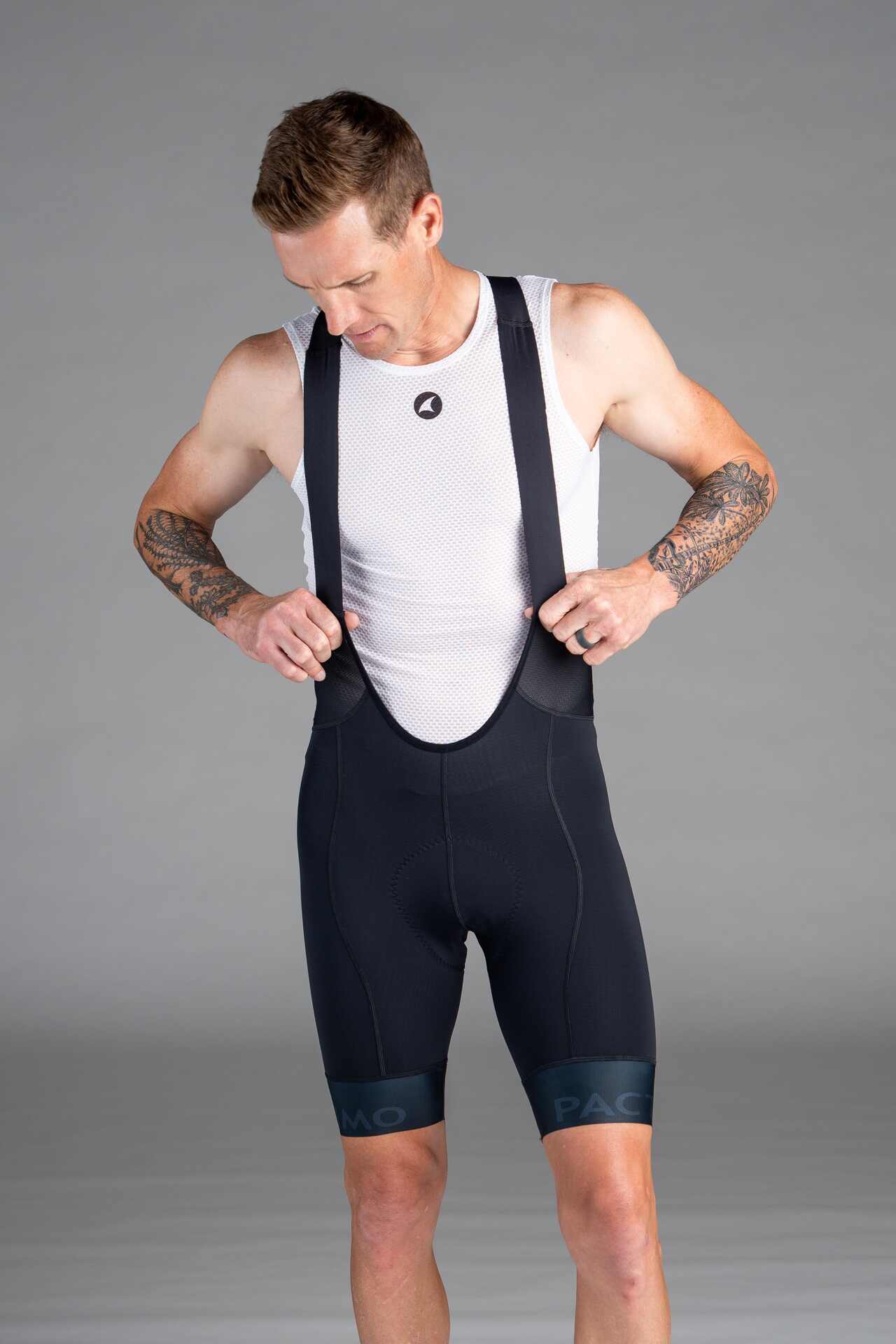
Bib shorts replace the waistband with lightweight shoulder straps.
Without a waistband digging into your stomach, they stay securely in place throughout the ride and provide a smoother, more comfortable fit.
For longer rides, many experienced cyclists overwhelmingly prefer bib shorts because they remain comfortable for hours in the saddle.
While they may look unusual at first, it’s easy to understand why they’re so popular after riding in them.
Pros
Cons
Best for
Road cycling, gravel riding, endurance rides, centuries, bikepacking, cyclists riding 60+ minutes regularly
Recommendation: If you’re buying your first quality pair and plan to ride regularly, choose bib shorts. While waist shorts are still a good option for casual or shorter rides, most cyclists who try bib shorts never go back. The improved comfort, secure fit, and freedom from waistband pressure make them the preferred choice for everything from weekend rides to all-day adventures.
Pactimo Tip: Don’t let the shoulder straps intimidate you. Nearly every experienced cyclist remembers thinking bib shorts looked unusual—until they rode in them. For rides longer than an hour, the comfort difference is often immediately noticeable.

Yes—but not uncomfortable.
Cycling shorts are designed to fit like a second skin.
A proper fit means:
If the shorts are too loose, the chamois moves with every pedal stroke, increasing friction and reducing comfort.
On the other hand, shorts that restrict movement or leave deep pressure marks are probably too small.
No.
This surprises almost every new cyclist.
Cycling shorts are designed to be worn directly against your skin.
Adding underwear introduces extra seams, traps moisture, and creates additional friction—the exact problems cycling shorts are designed to eliminate.
It may feel unusual the first time, but most riders quickly discover it’s far more comfortable.
Not necessarily. Many first-time buyers assume the thickest pad must be the most comfortable.
In reality, comfort comes from how well the chamois supports your anatomy, manages pressure, and stays in place.
Premium cycling shorts often feel thinner than inexpensive alternatives because they’re engineered to provide support without unnecessary bulk.
Think quality, not quantity.

Like most cycling equipment, you generally get what you pay for. Less expensive shorts can be perfectly suitable for shorter rides or riders who cycle occasionally.
If you’re riding several times each week or regularly spending two or more hours on the bike, investing in higher-quality shorts often pays dividends in comfort, durability, and long-term satisfaction.
Rather than replacing multiple inexpensive pairs, many cyclists discover that buying one excellent pair is the better value.
Different cyclists have different needs.
If you enjoy long road rides, prioritize comfort and a premium chamois.
If you’re exploring gravel roads or bikepacking, cargo bib shorts with additional storage pockets can be incredibly practical.
Mountain bikers often wear padded liners beneath baggy outer shorts.
Choosing shorts designed for how you actually ride will always produce better results than simply buying the most expensive option.

Many comfort issues come down to a few simple mistakes.
Avoid these common ones:
Proper care helps preserve both the fabric and the chamois.
To extend the life of your shorts:
Taking a few extra minutes to care for your cycling apparel can significantly increase its lifespan.

Your first pair of cycling shorts is more than just another piece of cycling apparel—it’s an investment in enjoying every mile you ride.
The right pair should disappear beneath you, allowing you to focus on the scenery, the challenge, and the simple joy of turning the pedals rather than constantly shifting in the saddle or dealing with discomfort.
As your rides grow longer and your confidence grows with them, you’ll likely discover what experienced cyclists have known for years: quality cycling shorts aren’t a luxury—they’re one of the most important pieces of equipment you can own.
✓ Choose the right size
✓ Prioritize fit over price
✓ Don’t wear underwear
✓ Match the shorts to your riding style
✓ Invest in a quality chamois
For many cyclists, yes. The improved fit, lack of a waistband, and increased comfort often make bib shorts the preferred choice for rides lasting more than an hour.
Most regular cyclists find that two or three pairs provide enough flexibility to rotate between rides while allowing time for washing.
With proper care, a quality pair of cycling shorts can provide several seasons of regular riding. Heavy use, frequent washing, and long hours in the saddle will naturally shorten their lifespan.
Absolutely. While beginners don’t need the most premium model available, investing in quality shorts often makes cycling more enjoyable and encourages riders to spend more time on the bike.
Not at all. Road cyclists, gravel riders, mountain bikers, commuters, and indoor cyclists all benefit from the comfort and support that quality cycling shorts provide.


