One of the biggest challenges cyclists face isn't deciding where to ride, it's deciding what to wear. Temperatures can change quickly throughout a ride, especially during early morning starts, mountain climbs, long descents, or changing weather conditions. Dressing too warmly can leave you overheating within the first few miles, while dressing too lightly can make a comfortable ride feel miserable.
The good news is that you don't need a different outfit for every ride. By understanding how to layer your cycling clothing and knowing when to add or remove key pieces, you can stay comfortable across a wide range of conditions.
This guide explains what to wear cycling in different temperatures, how to layer effectively, and which pieces of apparel are worth having in your cycling wardrobe.
What You'll Learn
- How to dress for different cycling temperatures
- The basics of layering cycling clothing
- Which apparel works best in warm, cool, and cold conditions
- Common mistakes cyclists make when dressing for a ride
- How to build a versatile cycling wardrobe
Who This Guide Is For
Whether you're new to cycling or have logged thousands of miles, this guide will help you choose the right clothing for changing weather conditions. These recommendations work for road, gravel, endurance, and recreational riders alike.
Quick Guide: What to Wear Cycling by Temperature
| Temperature | Recommended Clothing |
|---|---|
| Above 85°F (29°C) | Lightweight jersey, bib shorts, lightweight base layer (optional), summer gloves, sunglasses |
| 70–85°F (21–29°C) | Jersey, bib shorts, lightweight base layer, standard gloves |
| 55–70°F (13–21°C) | Jersey, arm warmers or a lightweight vest for cooler starts |
| 40–55°F (4–13°C) | Thermal jersey, base layer, leg or knee warmers, full-finger gloves, lightweight vest |
| 30–40°F (-1–4°C) | Thermal jacket, insulated bib tights, thermal base layer, winter gloves, shoe covers, neck gaiter |
| Below 30°F (-1°C) | Windproof jacket, insulated tights, thermal accessories, shoe covers, face protection |
Quick Guide: What to Wear Cycling by Temperature
Keep in mind that wind, rain, humidity, elevation, and ride intensity all affect how warm or cool you'll feel. These recommendations are a starting point, not a strict rule.
Why Layering Matters
Unlike many outdoor activities, cycling creates its own wind. Even on a calm day, riding at 18 to 20 mph dramatically increases the cooling effect on your body. Long descents can also feel significantly colder than climbs, especially when you're no longer generating as much body heat.
Rather than relying on one heavy layer, most cyclists stay comfortable by building a flexible layering system.
A typical setup looks like this:
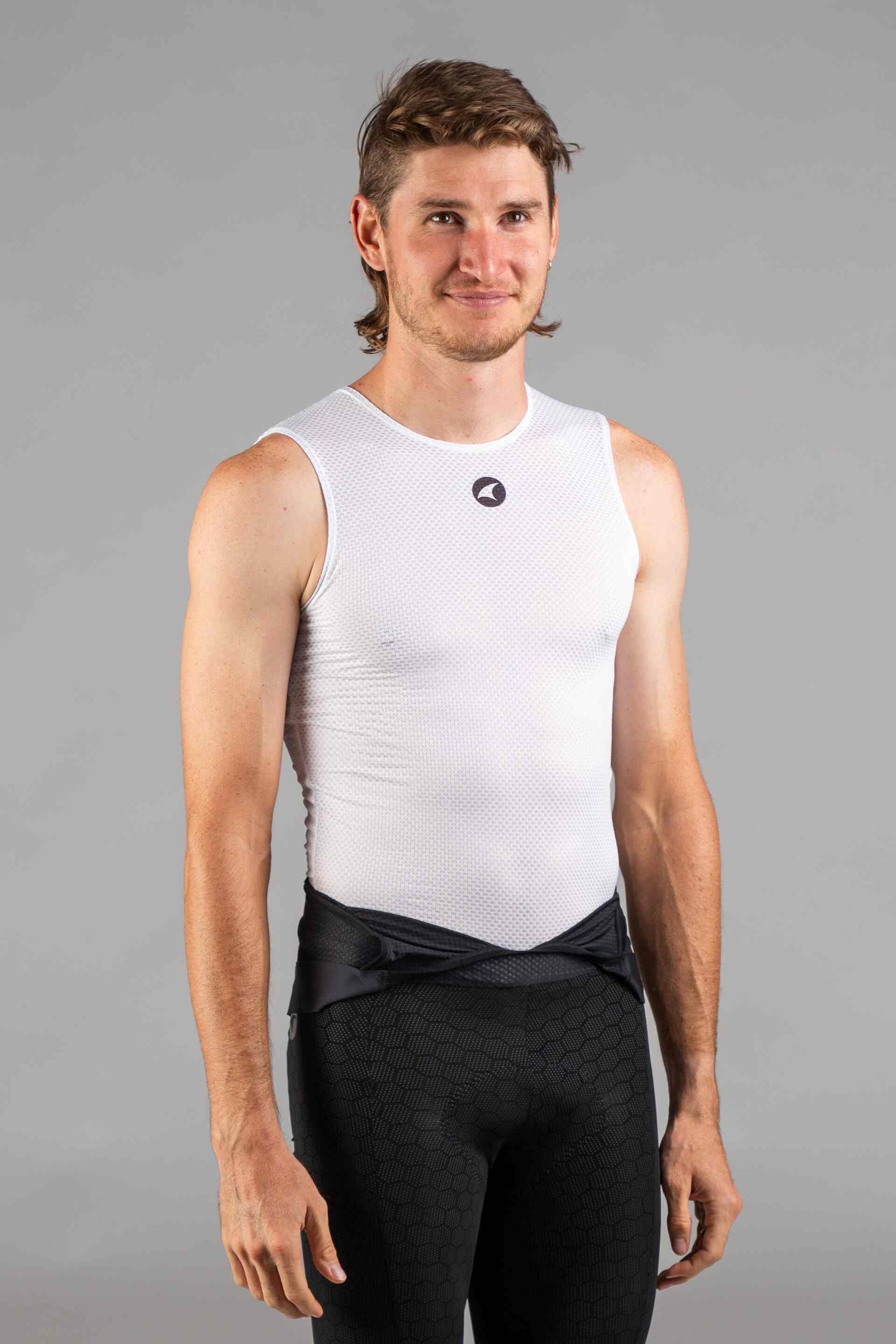
Base Layer → Moves moisture away from your skin
Jersey → Regulates temperature while providing storage
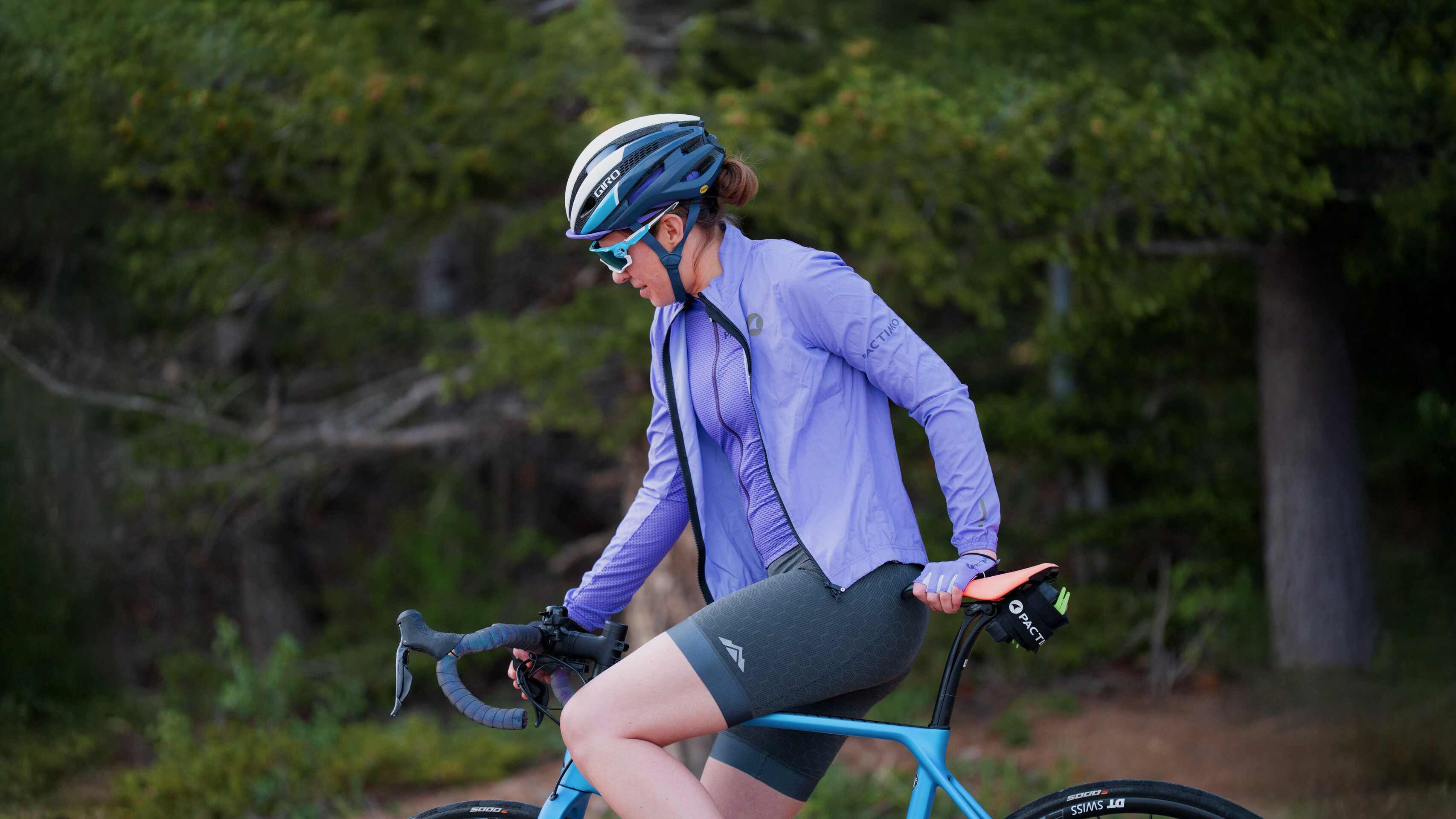
Vest or Jacket → Adds warmth and wind protection
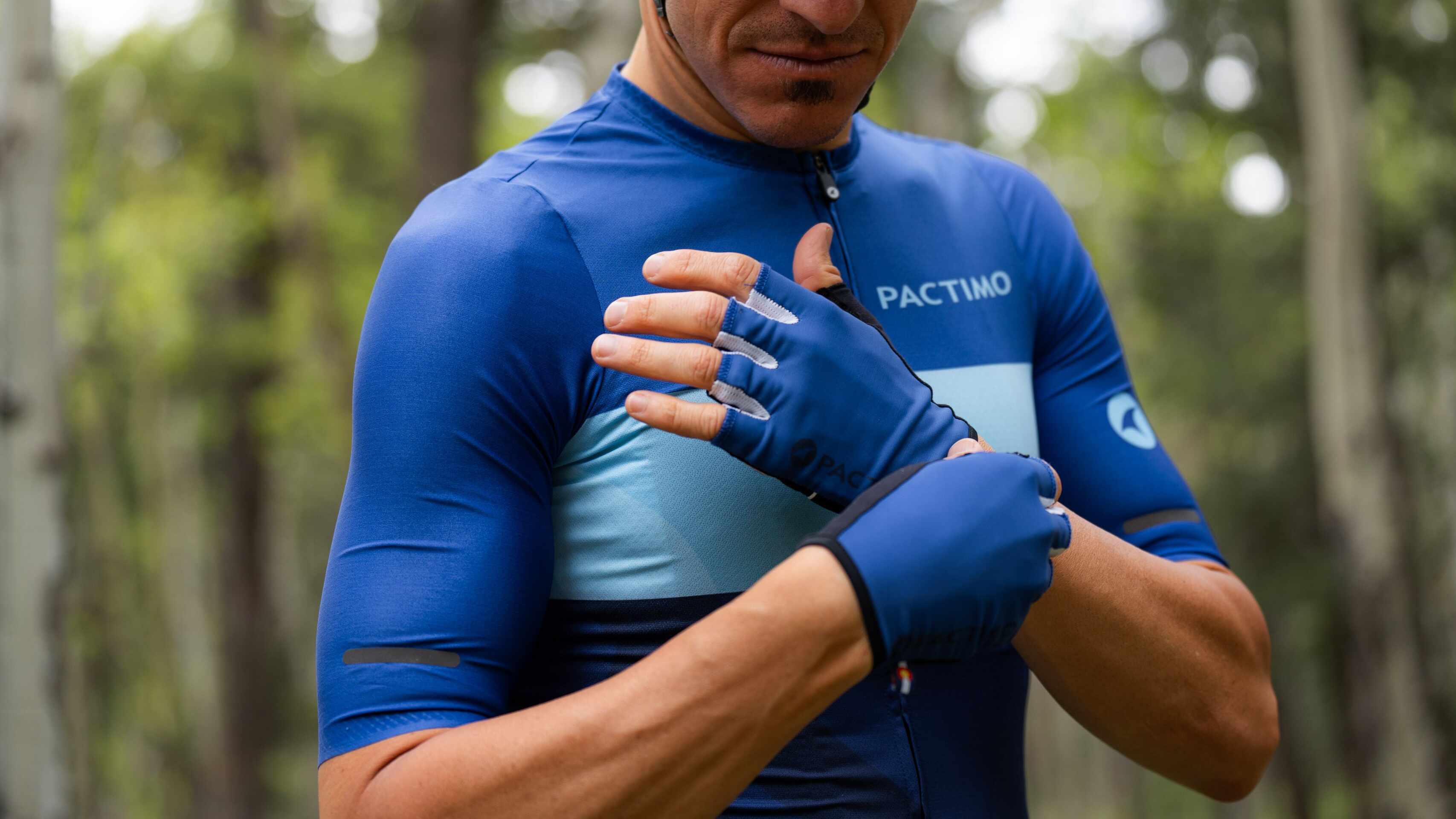
Accessories → Gloves, warmers, shoe covers, neck gaiters, and hats fine-tune your comfort
The beauty of layering is that you can adapt throughout your ride by adding or removing pieces as conditions change.
What to Wear Above 85°F (29°C)
Hot weather calls for lightweight, breathable clothing that helps your body cool efficiently.
A lightweight cycling jersey paired with bib shorts is the foundation of most summer rides. Many cyclists also choose a lightweight mesh base layer because it helps move sweat away from the skin, preventing jerseys from becoming saturated.
Look for apparel designed with breathable fabrics and good ventilation. If you'll be spending hours in direct sun, consider jerseys with built-in UPF protection and don't forget sunscreen on exposed skin.
Summer riding essentials include:
- Lightweight cycling jersey
- Bib shorts
- Breathable base layer (optional but recommended)
- Lightweight gloves
- Sunglasses
- Plenty of hydration
What to Wear Between 70°F and 85°F (21–29°C)
These are ideal cycling temperatures.
A standard short-sleeve jersey and bib shorts are usually all you'll need. If you're starting early in the morning or riding into higher elevations, packing a lightweight vest gives you extra flexibility without taking up much room in your jersey pocket.
What to Wear Between 55°F and 70°F (13–21°C)
This is where layering starts to become more important.
Temperatures in this range often change dramatically during a ride, making removable accessories especially useful.
Consider adding:
- Arm warmers
- A lightweight cycling vest
- Full-finger gloves if it's windy
- A lightweight base layer
Many experienced cyclists prefer arm warmers over a long-sleeve jersey because they're easy to remove once the day warms up.
What to Wear Between 30°F and 40°F (-1–4°C)
Cold-weather rides require a little more planning, but they can be incredibly rewarding with the right gear.
Instead of adding multiple bulky layers, focus on pieces specifically designed for cycling. They provide insulation while still allowing moisture to escape.
A typical cold-weather setup includes:
- Thermal cycling jacket
- Thermal base layer
- Insulated bib tights
- Winter gloves
- Shoe covers
- Neck gaiter or buff
- Thermal cap under your helment
The goal is to stay comfortably cool during the first few minutes of your ride. If you feel perfectly warm before you begin pedaling you're probably overdressed.
What to Wear Below 30°F (-1°C)
Some cyclists ride year-round, even in freezing temperatures.
If you choose to ride in these conditions, prioritize protecting exposed skin from wind while maintaining visibility and staying dry.
Dress in multiple technical layers and pay extra attention to your hands, feet, ears, and face. Moisture management becomes even more important because damp clothing loses much of its insulating ability.
Always consider road conditions before heading out. Ice, snow, and reduced daylight can create hazards that require additional caution.
Choosing the Right Accessories
Sometimes small accessories make a bigger difference than adding another jersey or jacket.
Arm Warmers
Perfect for cool mornings or changing temperatures. They're easy to remove and store in a jersey pocket.
Knee and Leg Warmers
Ideal when bib shorts alone aren't warm enough but full tights feel excessive.
Cycling Vest
A lightweight vest blocks wind across your chest without adding much bulk. Because it packs down easily, many cyclists carry one year-round.
Shoe Covers
Cold feet can quickly make a ride uncomfortable. Shoe covers help retain warmth while protecting against wind and light moisture.
Gloves
Different glove weights exist for a reason. Lightweight full-finger gloves work well during cool mornings, while insulated winter gloves are essential in colder conditions.
Common Cycling Clothing Mistakes
Dressing for the parking lot instead of the ride
You'll warm up quickly once you begin riding. It's normal to feel slightly cool before you start.
Wearing cotton
Cotton absorbs moisture and dries slowly, making it uncomfortable during longer rides. Technical cycling fabrics perform much better.
Forgetting about wind
A 50°F day can feel much colder on a long descent or into a headwind. Wind protection often matters just as much as the air temperature.
Ignoring your hands and feet
Cold fingers and toes are among the biggest reasons riders cut rides short. Small accessories often provide the biggest comfort improvements.
Overlooking removable layers
Arm warmers, vests, and knee warmers offer more flexibility than committing to heavier clothing from the start.
Frequently Asked Questions
Many cyclists choose arm warmers when temperatures are between 55°F and 65°F or when starting early before the weather warms up. They're a versatile option because they can be removed during your ride.
Yes. Lightweight mesh base layers help move sweat away from your skin, improving comfort even in warm weather.
Absolutely. A lightweight vest is one of the most versatile pieces of cycling apparel because it blocks wind, packs easily into a jersey pocket, and works across multiple seasons.
Many riders begin wearing thermal tights once temperatures consistently fall below about 50°F, though wind, rain, and personal preference all play a role.
If you're completely comfortable while standing still before your ride begins, you'll likely become too warm once you're moving. It's better to start slightly cool than overheated.
Ride Comfortably in Every Season
There's no single outfit that's perfect for every ride, but there is a layering system that works in nearly every condition. Start with moisture-wicking technical apparel, add removable layers when temperatures are uncertain, and adjust your clothing based on wind, elevation, and ride intensity—not just the forecast.
Over time, you'll learn which combinations work best for your local climate and your riding style. Investing in versatile pieces like quality jerseys, bib shorts, base layers, arm warmers, and a lightweight vest makes it easier to stay comfortable no matter what the weather brings.
When you're dressed appropriately, you spend less time thinking about the temperature and more time enjoying the ride.